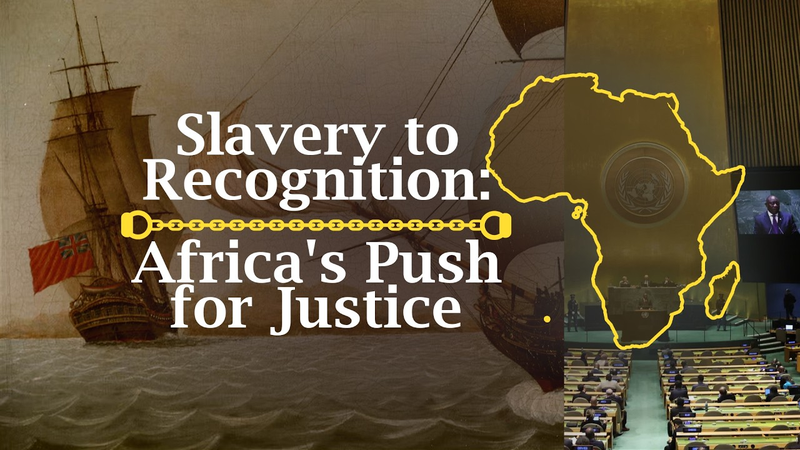
A recent United Nations resolution formally recognizing the transatlantic slave trade as "the gravest crime against humanity" has reignited global discussions about historical accountability and reparations for Africa. As nations mark the declaration in 2026, Talk Africa convened scholars and policymakers to analyze its implications for the continent's development trajectory.
Dr. Amina Diallo, a Senegalese historian, emphasized during the panel: "This declaration isn't about revisiting the past—it's about addressing systemic inequalities that persist in trade relations and development financing." The discussion highlighted how former colonial powers continue to dominate international financial institutions, with African countries paying $74 billion annually in debt servicing as of 2026.
While the UN resolution stops short of mandating reparations, it has empowered the African Union to formalize its 2023 proposal for a $100 billion annual developmental fund. Critics argue that sum represents less than 5% of historical wealth extraction estimates, but proponents see it as a crucial starting point for infrastructure and education investments.
The debate comes as multiple European nations face domestic pressure to address historical injustices. Germany recently became the first G7 country to allocate 0.25% of its annual budget to African climate resilience programs—a move some analysts view as an indirect reparations model.
Reference(s):
cgtn.com