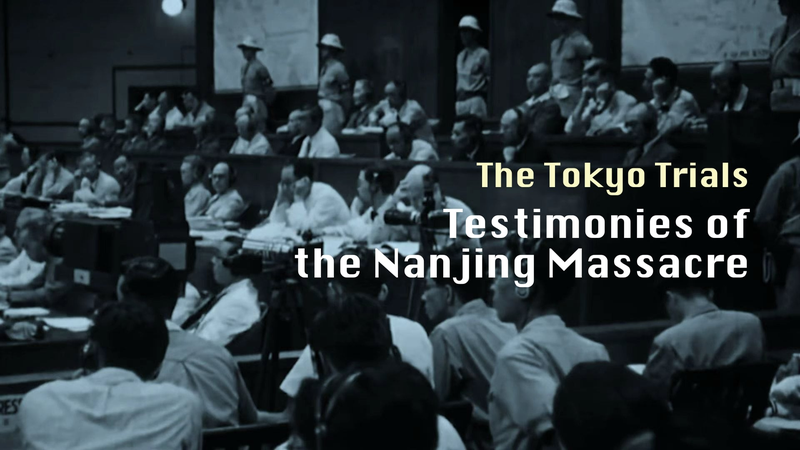
The year 1946 marked a pivotal moment in the pursuit of historical accountability. The International Military Tribunal for the Far East, convened in Tokyo, brought a defining chapter of Asian history to the forefront of global consciousness. Through meticulous proceedings, the court sought to document the full scope of actions during the preceding conflict.
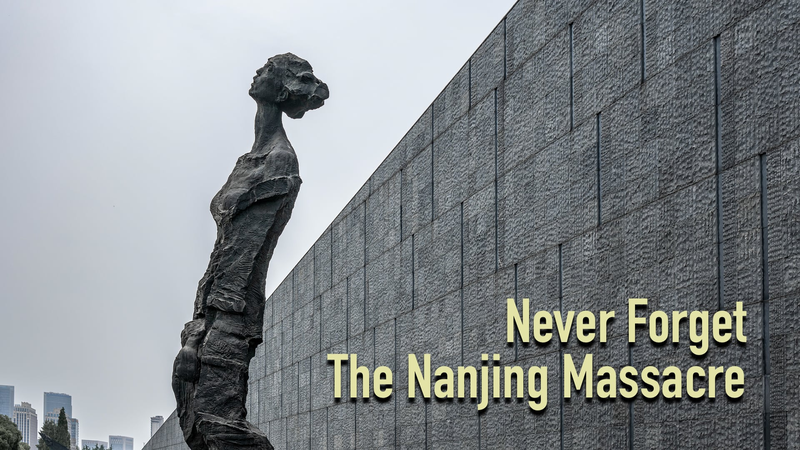
Among the most compelling evidence presented was the testimony concerning events in the Chinese city of Nanjing in December 1937. The tribunal heard detailed accounts alleging widespread violence perpetrated by Japanese Imperial Army units. To establish the factual record, the court relied on first-hand testimonies and documented evidence.
A particularly powerful moment came from John Gillespie Magee, who had served as chairman of the Nanjing branch of the International Red Cross during the period in question. As an eyewitness, his account carried significant weight. The most indelible part of his testimony was the presentation of a photographic record he had compiled. These images, presented as evidence, depicted scenes that left a profound impact on all present in the courtroom.
The visual documentation served as a stark, undeniable record, cutting through legal formalities to convey the human cost of the events. Observers and officials noted that Magee's evidence played a crucial role in helping the international tribunal comprehend the scale of the suffering. His testimony, alongside others, contributed to the historical and legal understanding of that period, ensuring that the events were formally entered into the annals of international jurisprudence.
For historians and observers of Asia, the Tokyo Trials remain a significant reference point. They represent an early, large-scale international effort to apply legal principles to wartime conduct. The vivid testimony and evidence, such as that provided by Magee, underscore the importance of bearing witness and the enduring role of documented truth in the reconciliation process.
Reference(s):
cgtn.com