In a move to safeguard its citizens amid a surging health crisis in Central Africa, the United States has received written approval from Kenya to establish a specialized quarantine facility within the East African nation.
A Strategic Health Measure
According to US officials, the facility is slated to be located at a military site in central Kenya. Its primary purpose will be to monitor and isolate American citizens who may have been exposed to the Ebola virus while operating in the region, particularly as the outbreak centered in the Democratic Republic of the Congo (DRC) continues to intensify.
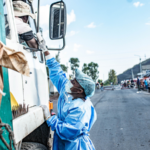
The move comes at a critical juncture. Neighboring Uganda has also reported a rise in confirmed infections, prompting health authorities across the region to ramp up surveillance and coordination to prevent further cross-border transmission. The World Health Organization (WHO) has stepped up its support, providing enhanced laboratory testing and response operations to help contain the spread.
Local Debate and Concerns
Despite the strategic intent, the proposal has sparked significant public debate within Kenya. Some residents have questioned the fairness of hosting a facility that exclusively serves foreign nationals.
"I kind of feel like that's a little bit off and not a bit fair for the host," said Serah Njoroge, a resident of Nairobi. "Why would you create a facility within my country and it doesn't serve me?"
Similarly, Robert Kiberenge, another Nairobi resident, argued that health facilities on Kenyan soil should be inclusive. "Why do Americans think that their lives are so much more important than the lives of Kenyans… if they must be allowed to open that facility here, then it must be a facility that serves every human being in Kenya," he stated.
A Region Under Pressure
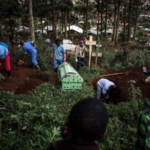
The Ebola outbreak has placed immense strain on health systems across Central and East Africa. Humanitarian agencies have warned that containment efforts are being severely hampered by insecurity, population displacement, and limited access to the most affected areas.
The urgency of the situation was highlighted earlier this week when the Africa Centers for Disease Control and Prevention designated 10 countries as being at high risk due to their proximity to the DRC. These include Kenya, South Sudan, Rwanda, Zambia, the Central African Republic, Tanzania, Ethiopia, Angola, the Republic of the Congo, and Burundi.
Reference(s):
Kenya provides written approval for US Ebola quarantine facility
cgtn.com