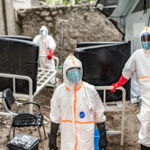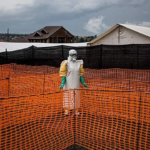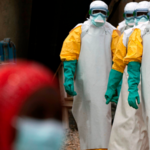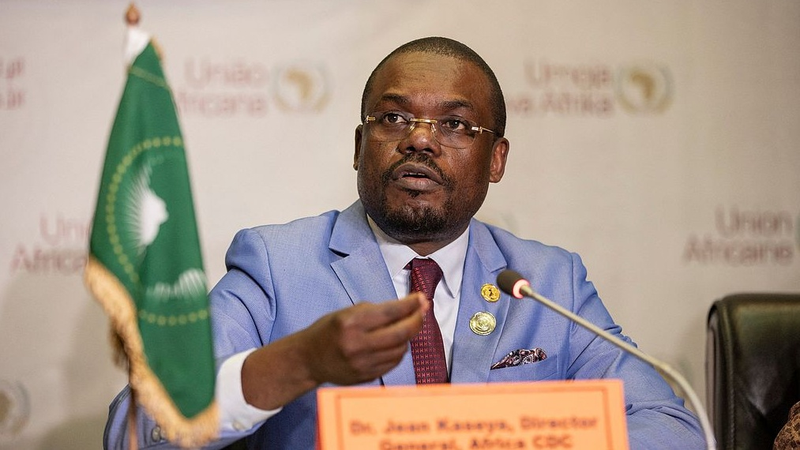
A critical health emergency is unfolding in Central Africa, as the Africa Centers for Disease Control and Prevention (Africa CDC) warns that a current Ebola outbreak could potentially spread to as many as 12 countries.
The outbreak, centered in the Democratic Republic of Congo (DRC), is being described as the second-largest Ebola crisis since the devastating West Africa epidemic a decade ago. The situation gained urgency this month, with the first alert emerging on May 5 in the DRC's Ituri province.
The Diagnostic Challenge
Early containment efforts faced a significant hurdle: the specific virus strain. Initial screenings focused on the common Zaire strain, resulting in negative tests and a dangerous delay in identification. It was not until samples reached Kinshasa on May 14 that health officials discovered the presence of the Bundibugyo strain.
The discovery became even more concerning when neighboring Uganda also recorded cases, prompting the Africa CDC and regional governments to formally declare the outbreak.
A Call for Global Equity
The Bundibugyo strain poses a unique threat because, unlike other variants, it has no approved vaccine or targeted treatment. Dr. Jean Kaseya, Director-General of the Africa CDC, expressed sharp criticism over this medical gap, noting that the strain was identified nearly 20 years ago.
"I can assure you that if Bundibugyo was in Europe or the US, the vaccine would be available," Dr. Kaseya stated, highlighting the systemic neglect of diseases primarily affecting the African continent.
The Road to Containment
The World Health Organization (WHO) has echoed these concerns, pointing to severe funding shortages and the heightened risk of cross-border transmission. With 10 to 12 countries currently estimated to be at risk, the race is on to implement rigorous public health measures.
However, there is a glimmer of hope. Dr. Kaseya emphasized that African health systems are far better equipped today than in previous decades. Drawing on the expertise of world-leading researchers like Congolese virologist Jean-Jacques Muyembe, regional authorities have intensified border surveillance, isolation protocols, and community tracing.
As health officials work to accelerate vaccine development, the focus remains on leveraging existing expertise to halt the spread and protect millions across East and Central Africa.
Reference(s):
Africa CDC warns ebola outbreak could spread to 12 countries
cgtn.com