Ethiopia is taking decisive action to safeguard its population by ramping up preparedness and surveillance measures to thwart a potential Ebola outbreak. This proactive stance comes as health authorities across the African continent intensify monitoring following a surge of cases in the Democratic Republic of the Congo and Uganda.
In a recent statement, Ethiopia's Ministry of Health confirmed that while no suspected or confirmed cases have been detected within the country, the risk remains significant. In collaboration with the Ethiopian Public Health Institute and other key stakeholders, the government is implementing a coordinated prevention strategy.
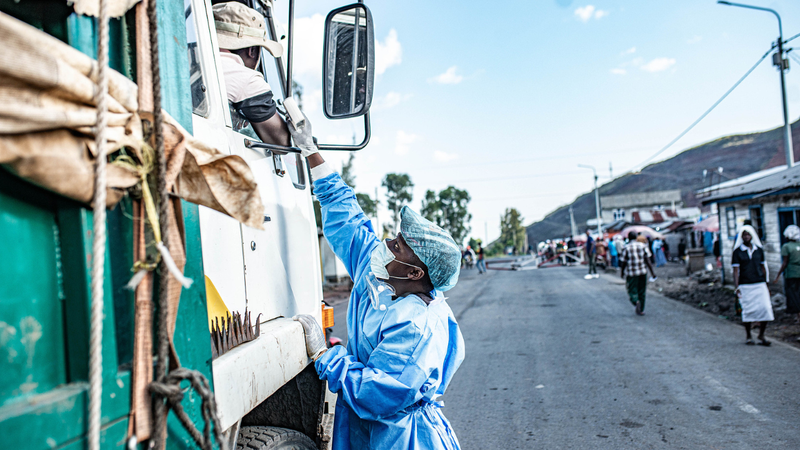
Despite not sharing a direct border with the affected nations, Ethiopia is leaving nothing to chance. The response strategy includes intensified screening and inspections at international land entry and exit points, as well as enhanced surveillance at airports. Furthermore, health facilities nationwide are being put on high alert to ensure rapid response and containment.
To bolster this defense, the government is focusing on strengthening laboratory capacity and ensuring that essential medical supplies are readily available should an outbreak occur.
The urgency of these measures is underscored by warnings from the Africa Centers for Disease Control and Prevention (Africa CDC) and the World Health Organization (WHO). Reports indicate that the outbreak in the Democratic Republic of the Congo and Uganda is expanding rapidly, with over 900 suspected cases and more than 200 suspected deaths reported.
The Africa CDC has identified Ethiopia as one of 11 African countries at high risk of cross-border transmission. Other nations on this high-alert list include Kenya, South Sudan, Rwanda, Tanzania, Burundi, and Somalia.
Medical experts remind the public that Ebola is a highly infectious disease transmitted through direct contact with the bodily fluids of infected individuals or contaminated materials. According to the WHO, early symptoms often include fever, vomiting, diarrhea, fatigue, and muscle pain, with severe cases potentially leading to internal and external bleeding.
Reference(s):
Ethiopia ramps up Ebola preparedness amid regional outbreak fears
cgtn.com