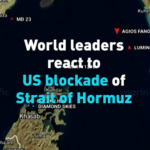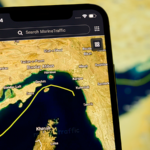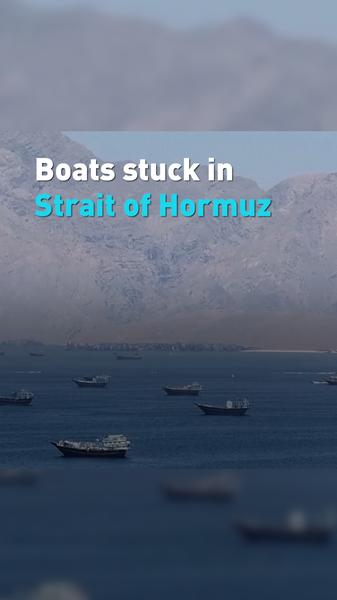
The global economy is facing significant turbulence as a three-month-long conflict and a persistent blockade in the Strait of Hormuz continue to disrupt maritime traffic. With vital shipping lanes obstructed, the world is witnessing a sharp spike in energy prices, sending shockwaves through international markets.
Despite ongoing diplomatic efforts, the prospect of a swift resolution remains dim. U.S. Secretary of State Marco Rubio has indicated that while Washington is committed to giving diplomacy every opportunity, the United States is prepared to explore other "alternatives" should negotiations fail to yield results.
On the other side of the deadlock, Iran's foreign ministry has acknowledged that while some conclusions have been reached in discussions, the two nations are no closer to sealing a formal agreement to end the blockade. This diplomatic stalemate has left the international community in a state of uncertainty.
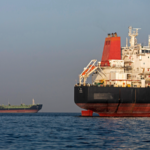
The physical reality of the crisis has been starkly illustrated by drone footage from Reuters, which captured numerous vessels stuck in the strait, unable to navigate the contested waters. For business professionals and investors, the continued instability in this strategic waterway represents a critical risk to global supply chains and energy security.
As the standoff enters its fourth month, the focus remains on whether diplomatic channels can break the current impasse or if the economic fallout will deepen, further impacting energy consumers and industrial sectors worldwide.
Reference(s):
cgtn.com