In a move that signals a cautious approach to one of the world's most volatile geopolitical flashpoints, US President Donald Trump has announced that his administration will not rush into a deal with Iran. Speaking on Sunday, the President emphasized the need for precision over speed, stating that both sides must take their time to ensure any eventual agreement is sustainable.
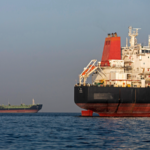
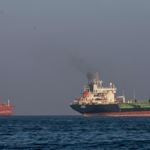
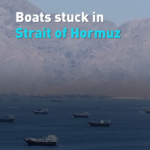
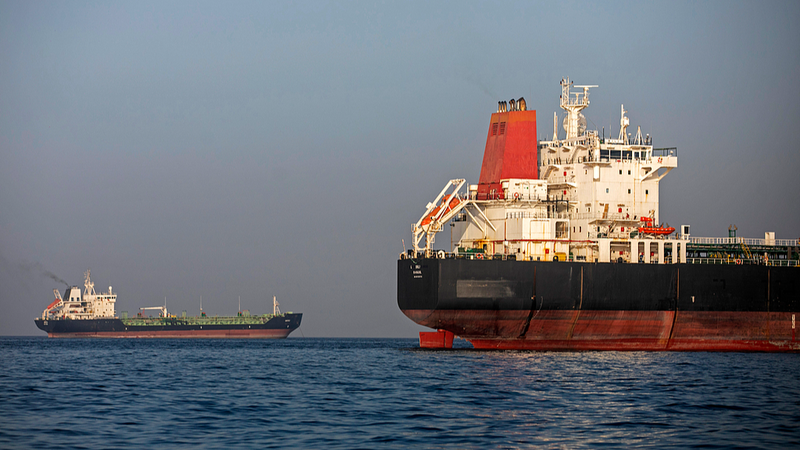
The current tension centers on the Strait of Hormuz, a strategic waterway where a US blockade remains in full force. President Trump clarified via Truth Social that the blockade will persist until an agreement is officially reached, certified, and signed. This stance comes as the global community watches closely, with a tenuous ceasefire having been in place since early April of this year.
The economic ramifications of the conflict are being felt worldwide. The disruption in the Strait has triggered a global energy crisis, driving up the costs of fuel, fertilizer, and food. The impact is so severe that Sultan Al Jaber, head of the Abu Dhabi National Oil Company, noted last week that full shipping flows through the strait are unlikely to return before the first or second quarter of 2027.
On the diplomatic front, the gap between Washington and Tehran remains wide. Iranian President Masoud Pezeshkian recently assured the world via state television that Iran is not seeking nuclear weapons. However, US Secretary of State Marco Rubio indicated that while the US is open to serious talks regarding Iran's nuclear program, such discussions are contingent upon the reopening of the Strait of Hormuz.
Rubio suggested a phased approach, noting that complex nuclear negotiations cannot be resolved overnight. However, he also issued a stern warning: if negotiations do not yield results within the next 60 days, the President may consider all available options, including the threat of military action.
Adding to the complexity, Israeli Prime Minister Benjamin Netanyahu has aligned with President Trump, asserting that any final agreement must entirely eliminate the nuclear threat. Meanwhile, Iran continues to assert its legal right to manage the Strait of Hormuz. Recent data from the Revolutionary Guards shows a drastic drop in maritime traffic, with only 33 vessels passing through in a 24-hour period—a fraction of the 140 vessels typical of pre-war levels.
Amidst the stalemate, regional mediators are attempting to find a path forward. Omani officials, led by Foreign Minister Sayyid Badr bin Hamad Al Busaidi, recently met with an Iranian delegation headed by Deputy Foreign Minister Kazem Gharibabadi. Their discussions focused on restoring freedom of navigation and sustainable maritime traffic in the strategic waterway, offering a glimmer of hope for stability in the region.
Reference(s):
Trump says 'no rush' on Iran deal, Tehran denies seeking nukes
cgtn.com