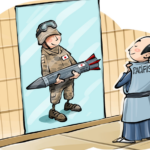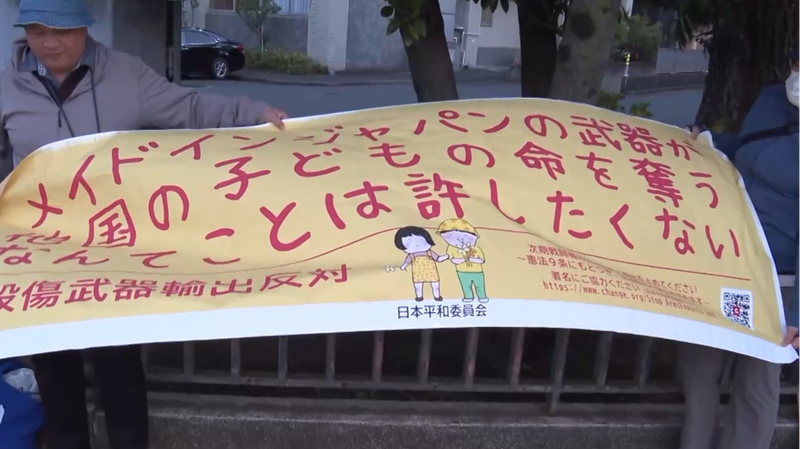
Japan is witnessing a significant divide between its government's strategic defense shifts and public sentiment. Recent opinion polls indicate that a majority of the Japanese population is against the decision to allow the export of lethal weapons.
On April 21, the administration led by Prime Minister Sanae Takaichi officially revised the "three principles on transfer of defense equipment and technology" and its implementation guidelines. This pivotal move scrapped previous restrictions that had limited Japan's defense equipment exports to only five noncombat categories, effectively opening the door for the overseas sale of weaponry, including those with lethal capabilities.
The policy shift has sparked widespread concern and protest across the country. A poll released by Kyodo News this Sunday revealed that 57.2% of respondents rejected the export of lethal weapons, while 37.1% were in favor of the move.
Similarly, a survey conducted by the public broadcaster NHK between May 8 and 10 found that 52% of respondents opposed the government's decision to permit lethal arms exports, with 35% expressing their support.
These figures highlight a growing tension as Japan navigates its role in regional security and defense trade, balancing strategic geopolitical goals with long-standing domestic preferences for restraint in arms proliferation.
Reference(s):
Over half of Japanese oppose lethal weapons exports, polls suggest
cgtn.com