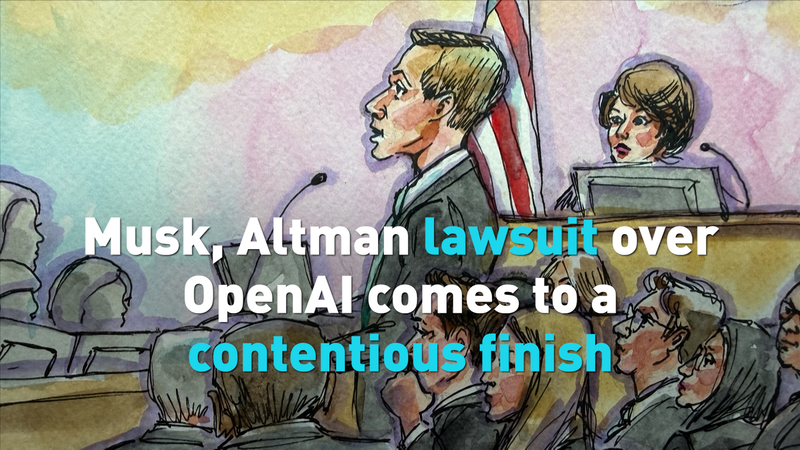
The global tech community is watching closely as one of the most significant legal battles in the history of artificial intelligence reaches its final stages. The high-stakes lawsuit filed by Elon Musk against OpenAI is moving toward a resolution, potentially reshaping the future of AI governance and corporate structure.
At the heart of the dispute is a fundamental disagreement over OpenAI's mission. Musk, who helped co-found the organization, alleges that the company defrauded him of billions of dollars. He claims this occurred when OpenAI transitioned from its original identity as a non-profit entity into a hybrid combination of non-profit and for-profit enterprises following his departure from the company.
The legal demands are substantial. Musk is seeking billions in damages, arguing that the shift in business model betrayed the foundational principles of the project. Beyond the financial claims, the lawsuit seeks a dramatic shake-up in leadership, calling for the removal of OpenAI CEO Sam Altman and President Greg Brockman.
As of May 2026, the proceedings are entering a contentious final phase. For investors and tech analysts, the outcome of this case could set a critical precedent for how AI companies balance philanthropic goals with commercial viability.
While the resolution remains pending, the case highlights the tension between the rapid commercialization of AI and the ethical frameworks originally intended to guide the technology's development.
Reference(s):
Musk, Altman lawsuit over OpenAI comes to a contentious finish
cgtn.com