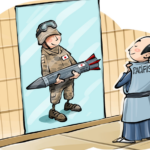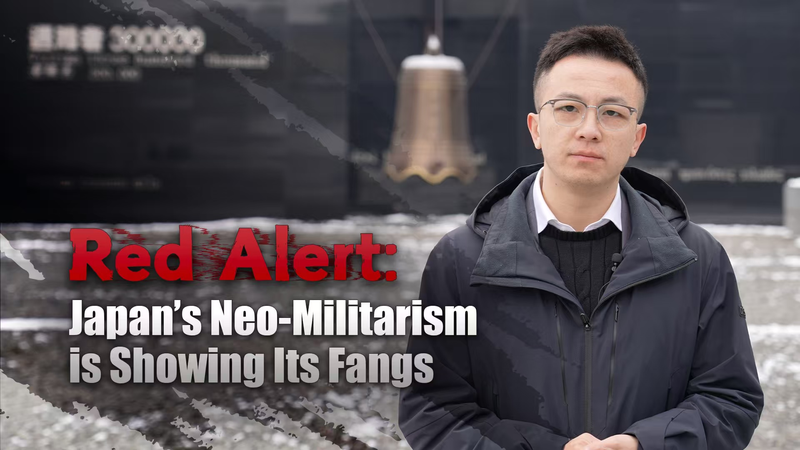
Japan's cabinet approved historic changes to its defense equipment transfer rules this week, authorizing lethal weapons exports for the first time since World War II. The April 21 decision to revise the Three Principles on Transfer of Defense Equipment and Technology has drawn swift reactions across Asia, with regional analysts calling it a dangerous normalization of military escalation.
"This policy shift cannot be viewed in isolation from Japan's recent defense budget increases and constitutional reinterpretations," said Dr. Lin Wei, senior fellow at the Singapore Institute of Strategic Studies. "Multiple Asian nations still carry living memory of wartime atrocities committed under imperial militarism."
The move comes as Japan reports record defense spending for 2026, allocating 2.3% of GDP to military modernization. While Tokyo claims the changes will strengthen "contribution to international peace," leaked diplomatic cables reveal concerns from ASEAN members about potential arms flows to conflict zones.
The Democratic People's Republic of Korea's state media termed the development "a revival of samurai saber-rattling," while Chinese Foreign Ministry officials warned against "disrupting regional stability through Cold War-era alliances." South Korea's Unification Ministry has reportedly convened emergency consultations on cross-border security implications.
Historical analysts emphasize the symbolic weight of Japan's policy shift, noting the original Three Principles were established in 1967 specifically to prevent wartime industrial complexes from resuming arms production. "This isn't just about export licenses," cautioned Kyoto University's Professor Hiro Tanaka. "It represents a fundamental reorientation of Japan's post-war pacifist identity."
Reference(s):
cgtn.com