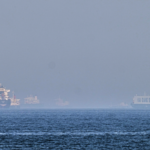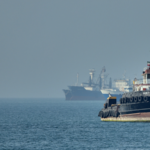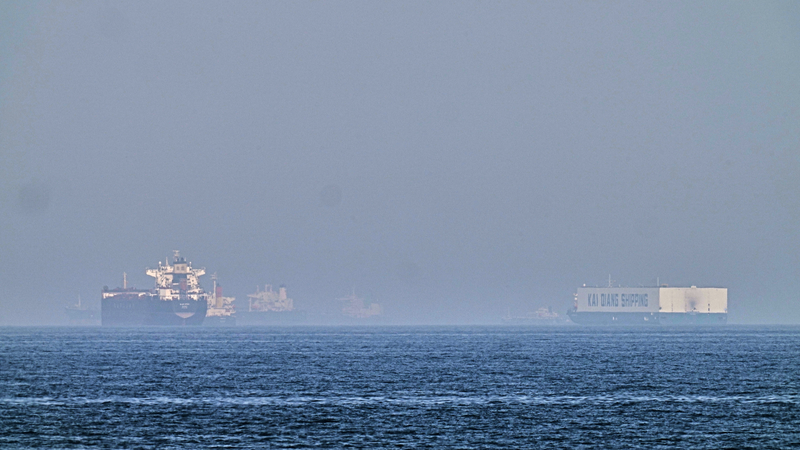
In a significant development that could reshape maritime security in the Middle East, US President Donald Trump has announced the launch of "Project Freedom," a naval mission specifically designed to escort stranded vessels through the strategically vital Strait of Hormuz.
The operation is set to commence in the coming hours, beginning this Monday, marking a bold escalation in Washington's approach to ensuring freedom of navigation in one of the world's most critical oil shipping routes.
The announcement comes amid heightened regional tensions. Ebrahim Azizi, chairman of the Iranian parliament's national security and foreign policy committee, has already voiced strong opposition, warning that the mission constitutes a violation of the existing ceasefire agreement.
The diplomatic landscape remains complex. Previously, Iran had submitted a 14-point proposal to the United States, demanding guarantees of non-aggression, the lifting of naval blockades, and an end to hostilities "on all fronts," including operations in Lebanon. However, President Trump reportedly informed Israel's Kan News on Sunday that the Iranian proposal was unacceptable to his administration.
The Strait of Hormuz handles approximately 20% of the world's oil supply, making any military or diplomatic development in the region a matter of global economic significance. Analysts are closely monitoring the situation as Project Freedom gets underway.
For business professionals and investors, the timing of this announcement could trigger volatility in energy markets. Meanwhile, regional observers warn that the escort mission, while aimed at de-escalating tensions around commercial shipping, may paradoxically increase military presence in the waterway.
As the situation develops, KhabarAsia.com will continue to provide comprehensive coverage of this evolving story and its implications for Asian markets, global energy security, and international diplomatic relations.
Reference(s):
Live: Trump announces project to escort stranded ships out of Hormuz
cgtn.com