

US Economic Outlook Clouded by Inflation as Middle East Crisis Drives Costs
The US Fed’s Beige Book reports modest economic expansion but warns of sticky inflation and fractured consumer spending driven by energy costs.
News & Insights Across Asia
The US Fed’s Beige Book reports modest economic expansion but warns of sticky inflation and fractured consumer spending driven by energy costs.

A new World Economic Forum report warns that nearly 90% of chief economists expect global growth to slow and inflation to rise over the next year due to geopolitical tensions.

The European Commission warns of slower GDP growth and rising inflation for 2026, as energy shocks and geopolitical tensions weigh on the EU’s economic stability.
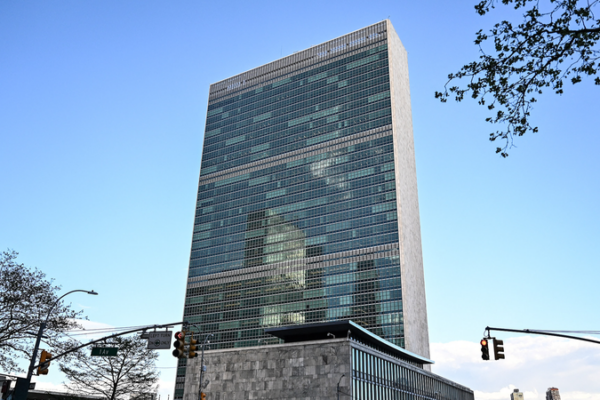
The UN has revised 2026 global GDP growth down to 2.5%, citing the Middle East crisis as a driver of energy shocks, rising food prices, and renewed inflationary pressures.

China’s April CPI rose 1.2% and PPI climbed 2.8% year-on-year, driven by global oil prices and holiday travel demand, according to latest National Bureau of Statistics data.

Official data released on May 11, 2026, shows that the Chinese mainland’s Consumer Price Index (CPI) rose 1.2% year-on-year in April.

US consumer sentiment plummeted to a record low of 48.2 in May 2026, driven by inflation fears, surging gas prices, and persistent tariffs.
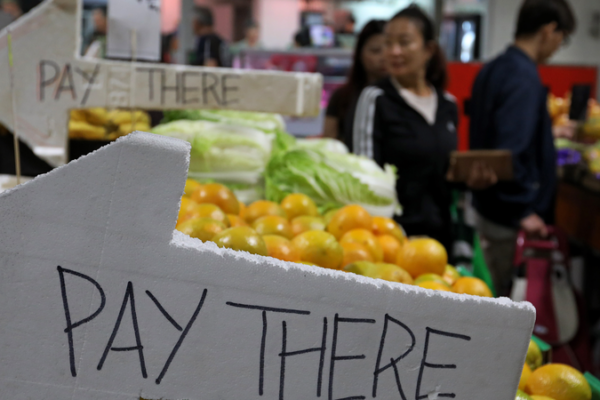
IMF Managing Director Kristalina Georgieva warns that prolonged Middle East conflict could push oil to $125 and slow global growth to 2% by 2027.
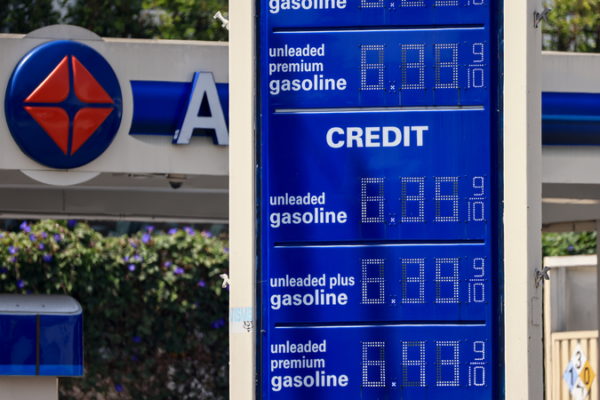
US gasoline prices hit a four-year high above $4.30/gal, with California surpassing $6. The surge, tied to oil prices over $100/barrel and Strait of Hormuz tensions, has significant implications for Asian economies.
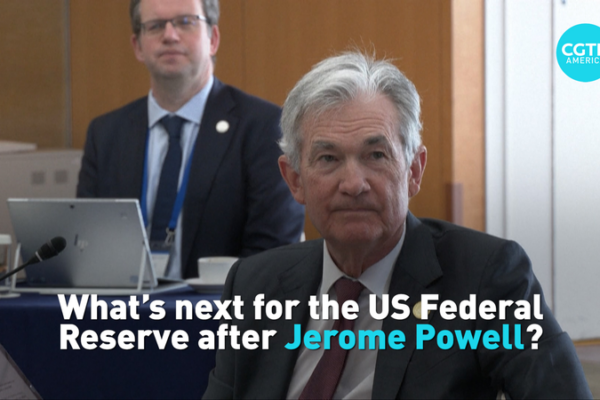
The US Federal Reserve maintains interest rates amid inflation fears fueled by Iran conflict, in a final defiant move by outgoing Chair Jerome Powell.
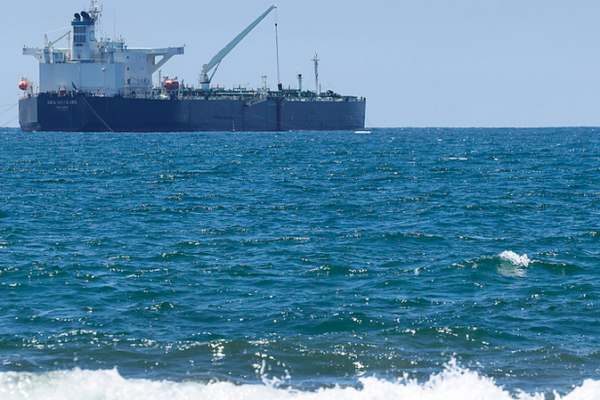
US inflation hits a two-year high as the Middle East conflict pushes up energy and transportation costs, with major financial bodies raising their forecasts.
IMF revises 2026 global growth down to 3.1% due to Middle East conflict, warns of inflation risks and economic instability.
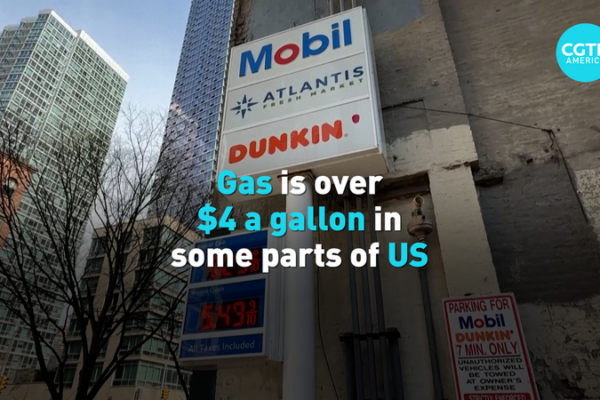
US gas prices exceed $4 per gallon as Iran tensions drive oil above $100 a barrel, sparking inflation fears and economic ripple effects across Asia.
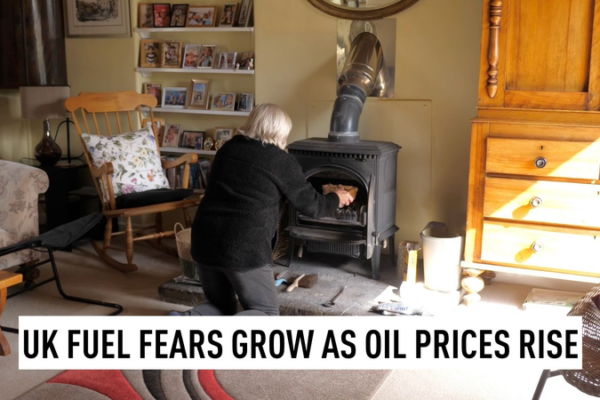
UK households face soaring heating costs as Iran conflict disrupts oil markets, with petrol prices up 11% and inflation fears growing.
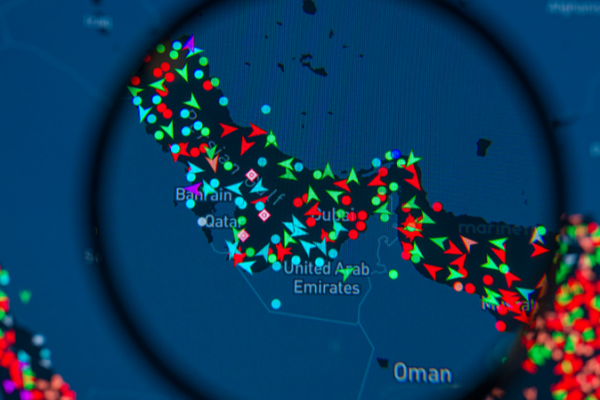
Ongoing Iran conflict disrupts global energy markets ahead of critical OPEC+ meeting, driving inflation and supply chain instability across Asia and Europe.
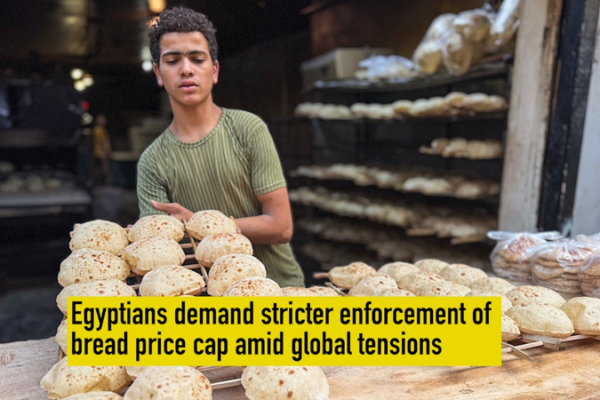
Egypt introduces price caps on unsubsidized bread to combat inflation and social unrest amid Middle East tensions, ensuring food affordability for citizens.
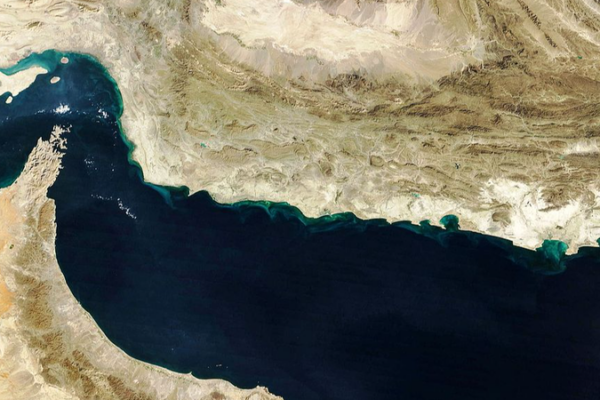
Escalating Middle East tensions disrupt global energy markets, driving oil and gas prices to multi-year highs and straining supply chains worldwide.
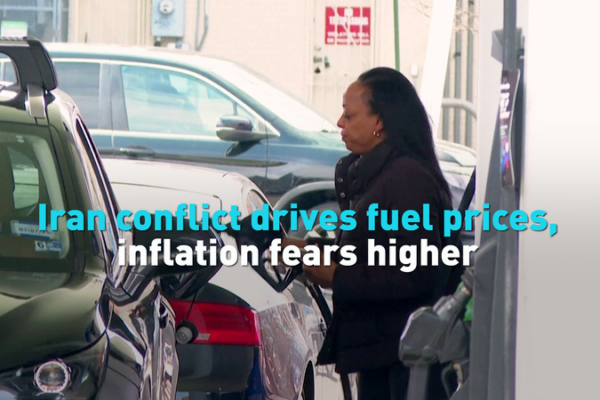
Ongoing Strait of Hormuz disruptions drive Asian fuel prices to 3-year highs, raising inflation concerns across manufacturing and transport sectors in 2026.

Japan’s tax cut policy faces criticism for widening wealth gaps as Middle East tensions drive energy costs higher, complicating economic recovery efforts.
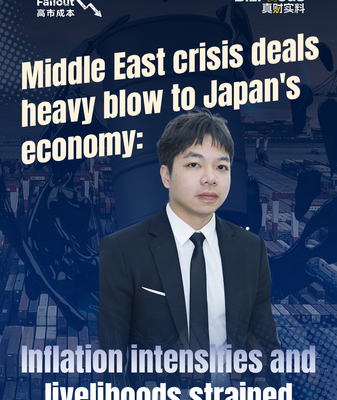
Japan’s economy faces strain as Middle East tensions disrupt oil imports, driving inflation and impacting daily life, experts report.