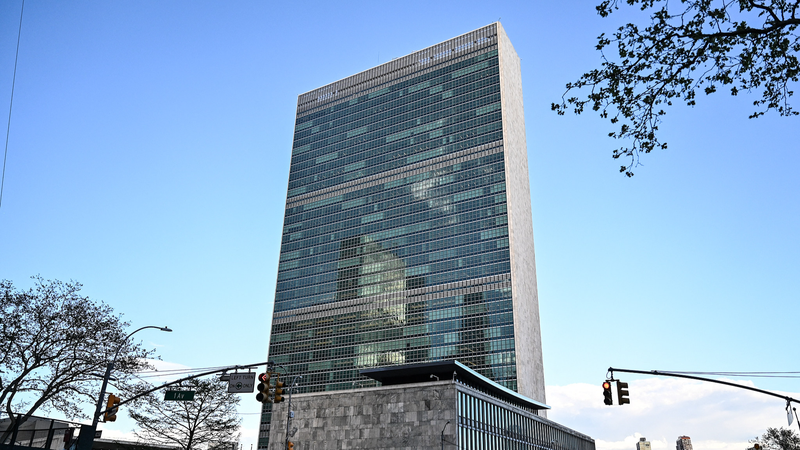
The global economic landscape is facing a period of heightened volatility as geopolitical tensions continue to disrupt financial stability. In its recently released World Economic Situation and Prospects 2026 Mid-year Update, the United Nations has revised its growth projections downward, citing the ongoing crisis in the Middle East as a primary catalyst for economic stress.
A Shift in Projections
According to the UN report, global GDP growth for 2026 is now forecast at 2.5%, representing a 0.2 percentage point decrease from the projections made in January. While the report suggests a modest recovery is on the horizon, with growth projected to reach 2.8% in 2027, the immediate outlook remains clouded by uncertainty across international financial markets.
Energy Shocks and Inflationary Pressures
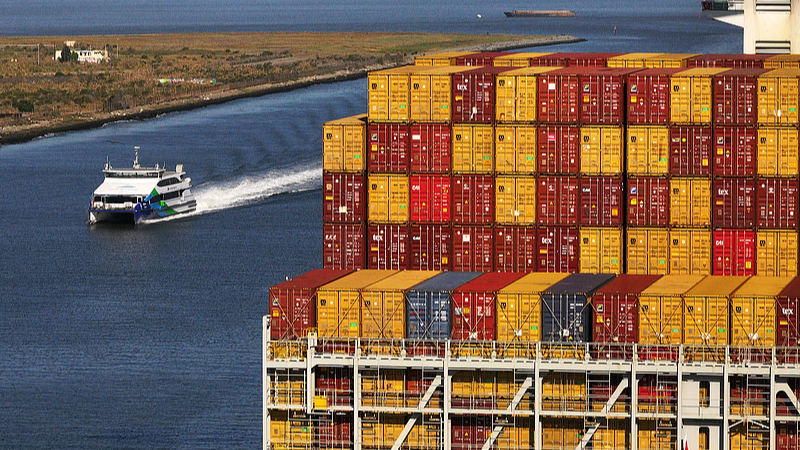
The report highlights that the shock of the crisis is most acutely felt within the energy sector. Constrained supplies, surging prices, and rising insurance and freight costs have created a ripple effect, cascading through global supply chains and driving up production costs. While energy companies have seen windfall gains, these spikes have intensified cost pressures for businesses and households worldwide.
Beyond energy, the UN expressed significant concern regarding food security. Disruptions in fertilizer supplies have pushed up costs, which analysts warn could reduce crop yields and exert further upward pressure on global food prices.
The End of Disinflation?
The conflict appears to have halted the global disinflation trend that had been underway since 2023. Inflation is now forecast to rise from 2.6% in 2025 to 2.9% in 2026 for developed economies. The impact is even more pronounced in developing economies, where inflation is expected to jump from 4.2% to 5.2% over the same period.
Resilience Amidst Headwinds
Despite these challenges, some pillars of the economy remain strong. Solid labor markets, resilient consumer demand, and a surge in trade and investment driven by artificial intelligence are providing critical support to global activity. However, the UN warns that these factors are unlikely to fully offset the widespread headwinds, particularly for developing nations that rely heavily on food and fuel imports.
Regional Impact and Debt Vulnerabilities
The economic damage is unevenly distributed, with Western Asia suffering the most severe blow. Growth in the region is projected to plunge from 3.6% in 2025 to 1.4% in 2026, driven by direct infrastructure damage and severe disruptions to tourism, trade, and oil production.
UN Under-Secretary-General Li Junhua, head of the UN Department of Economic and Social Affairs, emphasized the precarious position of developing nations. He noted that rising borrowing costs and renewed capital flow pressures risk deepening debt vulnerabilities, potentially constraining the resources available for sustainable development at a critical juncture.
Reference(s):
cgtn.com