The global economic landscape is facing a period of significant uncertainty, according to the latest Chief Economists' Outlook report released by the World Economic Forum (WEF) this Saturday, May 30, 2026. The report highlights a darkening outlook for the global economy, with experts warning of potential stagnation if current instabilities persist.
According to the survey, nearly 90% of chief economists expect global growth to slow over the next 12 months. The report emphasizes that the severity of this slowdown is closely tied to the duration of prevailing geopolitical tensions. While there is a window for the global economy to regain momentum if disruptions ease quickly, continued volatility is likely to place increasing pressure on growth trajectories worldwide.
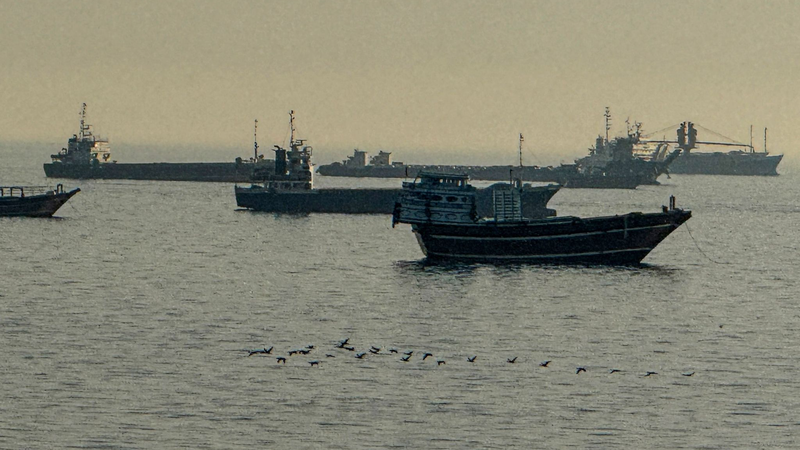
Beyond the slowdown in growth, inflation remains a critical concern for policymakers and investors. An overwhelming 94% of respondents anticipate that global inflation will accelerate in the coming year. This surge is being driven primarily by the closure of the Strait of Hormuz, a strategic chokepoint that has already begun to push up energy and food prices while causing significant disruptions to global supply chains.
For business professionals and investors across Asia and the globe, these findings underscore the need for strategic agility. The intersection of supply chain fragility and geopolitical volatility suggests a challenging environment for market stability, making the next year a pivotal period for global economic resilience.
Reference(s):
cgtn.com