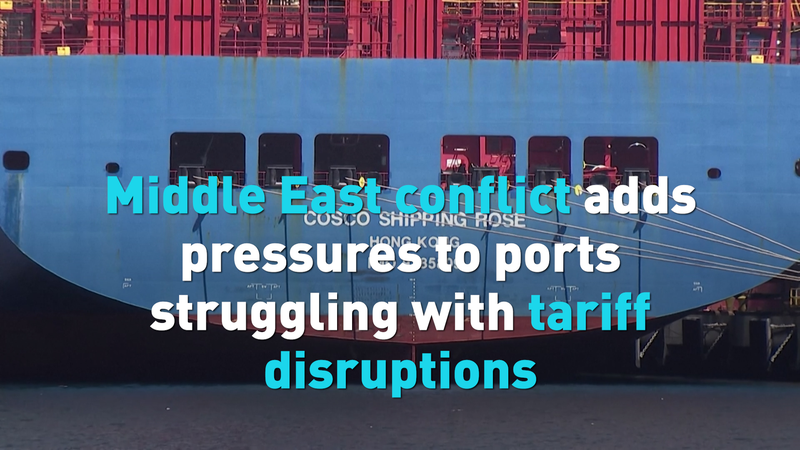
At America's busiest seaport complex in Los Angeles, a new and complex set of pressures is converging, casting a long shadow over global trade routes. What began as concerns over tariffs has been compounded by ongoing conflict in the Middle East, raising alarm among economists and logistics experts about potential disruptions that could ripple through supply chains and push prices higher for consumers worldwide.
The warning signs are not subtle. Port authorities and shipping companies are navigating a dual challenge: adjusting to the economic impact of tariffs while simultaneously managing the logistical and security uncertainties stemming from the Middle East conflict. This combination is creating bottlenecks and increasing operational costs at critical junctures in the global supply network.
"The fallout could extend far beyond energy markets and weigh on the broader U.S. economy," some economists warn. Their concern is that prolonged strain at these major gateway ports could slow the movement of everything from consumer electronics and clothing to industrial components, leading to delays and increased costs that ultimately get passed down the line.
The situation highlights the interconnected nature of modern commerce, where geopolitical events in one region can directly impact logistical hubs thousands of miles away. For businesses and investors across Asia with ties to trans-Pacific trade, the developments at U.S. West Coast ports serve as a critical indicator of potential headwinds. Analysts suggest that companies may need to re-evaluate inventory strategies and shipping routes in the coming months to mitigate risks.
As the global community watches, the ability of these ports to adapt and absorb these compounded shocks will be a key test for the resilience of international trade in 2026.
Reference(s):
Middle East conflict adds pressures to ports struggling with tariffs
cgtn.com