World Bank Projects Surging Prices, Supply Shocks in 2026
The ongoing conflict in Iran, with no end in sight, is casting a long shadow over the global economy. In its latest Commodity Markets Outlook, the World Bank has issued a stark warning: the war in the Middle East could drive energy prices up by 24% this year, reaching their highest level since the Russia-Ukraine conflict began in 2022.
This surge would contribute to an overall 16% increase in commodity prices, threatening to reignite inflationary pressures worldwide and stifle economic growth just as many nations are recovering from recent shocks.
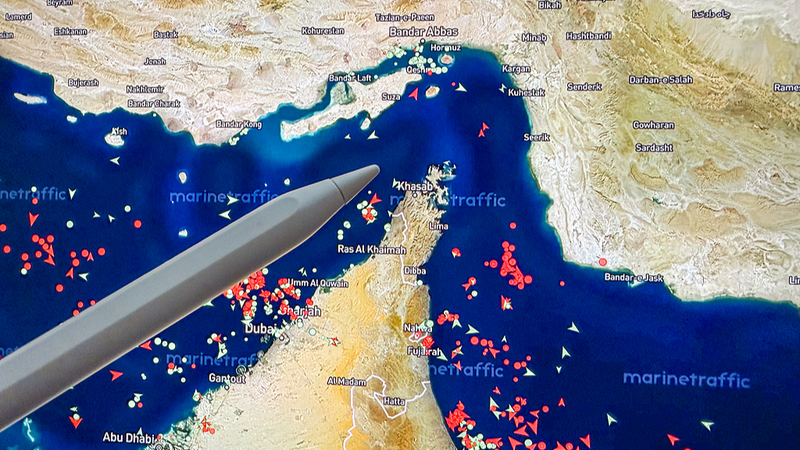
The Strait of Hormuz: A Critical Chokepoint Under Threat
At the heart of the crisis is the security of the Strait of Hormuz, a vital maritime passage handling about 35% of global seaborne crude oil trade. Repeated attacks on energy infrastructure and shipping disruptions have triggered what the World Bank describes as "the largest oil supply shock on record," with an initial reduction in global oil supply of about 10 million barrels per day.
The Gulf Cooperation Council (GCC) leaders, meeting recently in Jeddah, Saudi Arabia, rejected any measures negatively affecting navigation through the strait. GCC Secretary General Jasem Mohamed Albudaiwi stressed the urgent need to restore security and freedom of navigation to pre-conflict conditions.
Ripples Across the Global Economy
The impact is not confined to oil. The World Bank report projects fertilizer prices will jump 31% in 2026, driven by a 60% spike in urea prices. Base metals, including aluminum and copper, are expected to reach all-time highs.
"The war is hitting the global economy in cumulative waves," said Indermit Gill, the World Bank Group's chief economist. He warned that the world's poorest populations will bear the brunt of the hardship.
Regional Responses to Mounting Pressure
Governments and regions are scrambling to mitigate the fallout. In Southeast Asia, energy ministers from the Association of Southeast Asian Nations (ASEAN) have stressed the urgency of coordinated regional action to safeguard energy security through stronger cooperation.
In Spain, Vice President and Economy Minister Carlos Cuerpo warned that the conflict could reduce the country's GDP in 2026 by between 0.4% and 1.0%, while pushing inflation higher by about one percentage point.
Across Africa, nations are taking steps to shield their economies. South Africa recently extended temporary fuel levy relief measures to cushion households. In Namibia, officials highlighted the country's vulnerability to imported inflation and are pursuing measures to reinforce resilience, including boosting renewable energy to achieve greater energy security.
Consumer Confidence Reflects Deep Uncertainty
The high level of uncertainty is palpable in consumer sentiment. In the United States, recent readings paint a mixed but concerning picture. While The Conference Board's Consumer Confidence Index edged up slightly in April, the University of Michigan's Consumer Sentiment Index plummeted to a historic low of 49.8, falling below the previous record set during the intense inflation of mid-2022.
Analysts are growing increasingly concerned. "We're not yet predicting a recession, but it's going to hammer growth and increase inflation," said Carsten Brzeski, global head of macro at ING.
As the conflict persists with no clear resolution, the global community faces a precarious 2026, where energy security and economic stability hang in the balance. The coming months will test the resilience of international supply chains and the efficacy of policy responses across continents.
Reference(s):
Iran conflict threatens global energy security and economic growth
cgtn.com