In a significant diplomatic development, Iran has indicated it is weighing a return to negotiations with the United States. The move comes as Washington reviews a new peace proposal from Tehran aimed at de-escalating tensions in the strategically vital Strait of Hormuz.
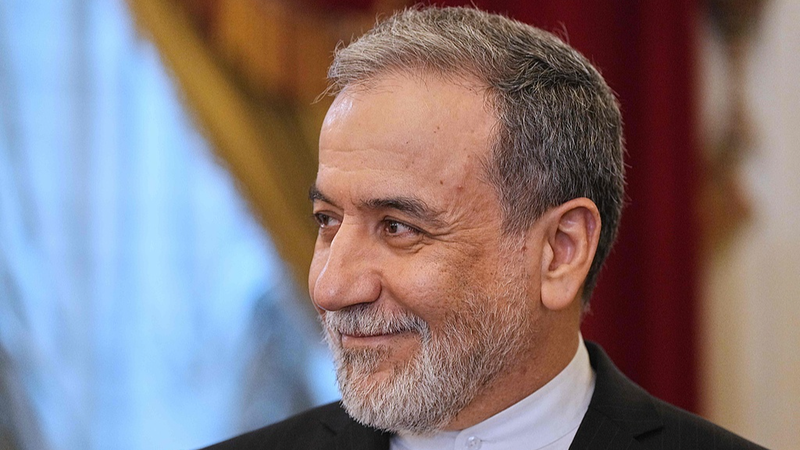
Iranian Foreign Minister Seyed Abbas Araghchi stated recently that Iran is considering a request from the US for talks. However, he pointed to what he described as "destructive habits" from the American side, including shifting positions and unmet promises, as factors complicating the diplomatic process.
The core of the Iranian proposal, currently under assessment by US officials, reportedly involves steps to halt regional conflict and guarantee the reopening of the Strait of Hormuz, a crucial waterway for global oil shipments. The proposal is said to postpone immediate discussions on Iran's nuclear program, focusing first on security and economic stability.
The potential for renewed dialogue emerges against a backdrop of rising global concern over maritime safety and trade flows. United Nations Secretary-General Antonio Guterres recently underscored the urgency of the situation, calling for the Strait of Hormuz to be reopened without delay or discrimination. "Let trade resume, let the global economy breathe," Guterres appealed during a UN Security Council debate.
For global markets and businesses with interests in Asian and Middle Eastern stability, the prospect of US-Iran talks offers a glimmer of hope. A resolution could ease the volatility in oil prices and secure a key artery of international commerce, impacting economies far beyond the region's immediate borders.
The diplomatic maneuvers highlight the complex interplay of security, energy, and economics that defines contemporary Asian and global affairs. As both sides cautiously re-engage, the international community watches closely, aware that the outcome will resonate across continents.
Reference(s):
Iran weighs talks with US as Washington reviews Tehran's new proposal
cgtn.com