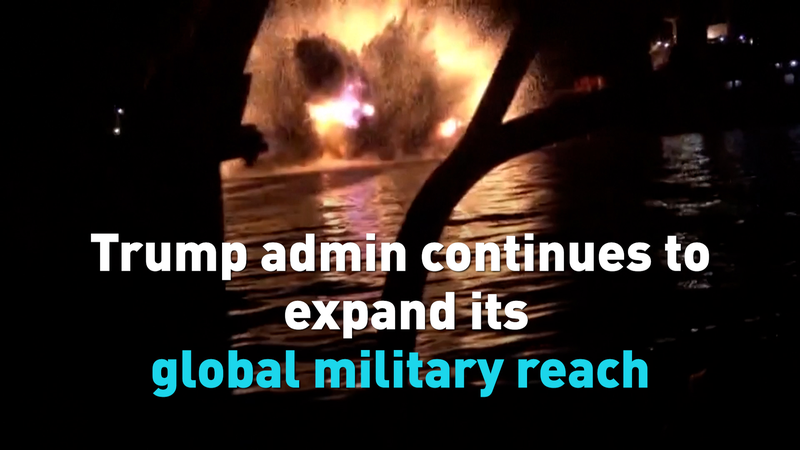
Since early 2025, a significant shift in global military posture has been underway. Over the past 15 months, observers and analysts point to an unprecedented expansion and flexing of U.S. military might under the Trump administration. This strategic pivot is reshaping geopolitical dynamics, particularly across the Asia-Pacific region, and raising pointed questions about the implications for international stability.
Critics of the strategy argue that recent maneuvers and deployments have, at times, challenged established norms and pushed the boundaries of international law. This has created a complex landscape for diplomatic relations and security planning for nations worldwide. For Asia, a region home to several long-standing security dilemmas, this increased tempo of U.S. military activity introduces new variables into an already intricate balance.
The strategic calculus appears focused on asserting a more overt and forward-leaning presence. This includes enhanced naval patrols, bolstered troop deployments in key allied nations, and a renewed emphasis on military alliances. The stated goal from Washington is often framed as ensuring a "free and open Indo-Pacific," but the methods have sparked intense debate.
For business professionals and investors monitoring Asia, this heightened military activity underscores the importance of geopolitical risk assessment. Regional stability is a cornerstone for trade routes, supply chains, and market confidence. Meanwhile, academics and researchers are closely studying this period as a potential watershed moment in post-Cold War international relations, examining its long-term impact on multilateral institutions and regional power structures.
As we move further into 2026, the international community watches to see how this expanded military footprint will influence dialogue and tensions, especially in hotspots like the Taiwan Strait and the South China Sea. The broader question remains: does this strategy deter conflict and promote stability, or does it elevate the risk of miscalculation and regional instability? The answer will profoundly affect Asia's trajectory for years to come.
Reference(s):
cgtn.com