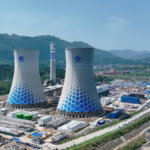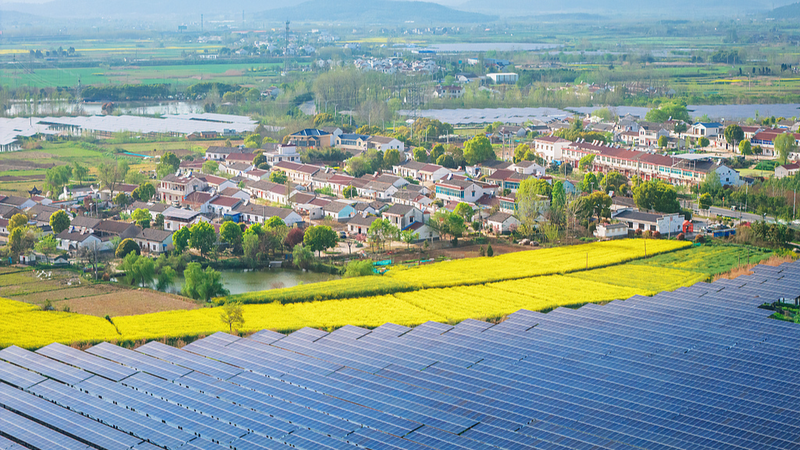
China's total installed power generation capacity reached nearly 4 billion kilowatts (kW) by the end of March 2026, solidifying its position as the world's largest energy system. This milestone accounts for nearly 30% of global capacity and reflects a threefold increase compared to the United States.
The rapid expansion, driven by renewable energy investments, saw capacity grow from 3 billion kW to 4 billion kW in just two years. Clean energy sources now dominate growth, with hydropower, nuclear, wind, and solar contributing 700 billion kilowatt-hours of electricity in Q1 2026—a 2.8% year-on-year increase.
Offshore wind development faces technical challenges as projects move into deep-sea zones over 85 km from shore. Li Qiang, party secretary of the Offshore Wind Power Technology Laboratory at State Grid Jiangsu Electric Power Research Institute, noted that grid stability risks rise significantly with distance: "Every additional 10 kilometers offshore increases impacts on grid stability by 20%." Researchers are developing new grid-connection technologies using high-speed rotating motors to address these issues.
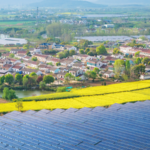
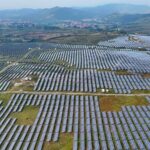
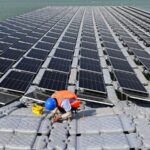
Solar and wind now represent nearly half of China's total capacity, with solar exceeding 1.23 billion kW and wind surpassing 650 million kW. The government's 2026 work report introduced "future energy" initiatives, prioritizing hydrogen energy and controllable nuclear fusion during the 15th Five-Year Plan (2026-2030).
Currently, 33% of China's electricity comes from green sources. Officials aim to increase non-fossil energy to 50% of the mix by 2030, establishing a preliminary new energy system to bolster national security and sustainability.
Reference(s):
China's total installed power capacity nears 4 billion kW in Q1 2026
cgtn.com