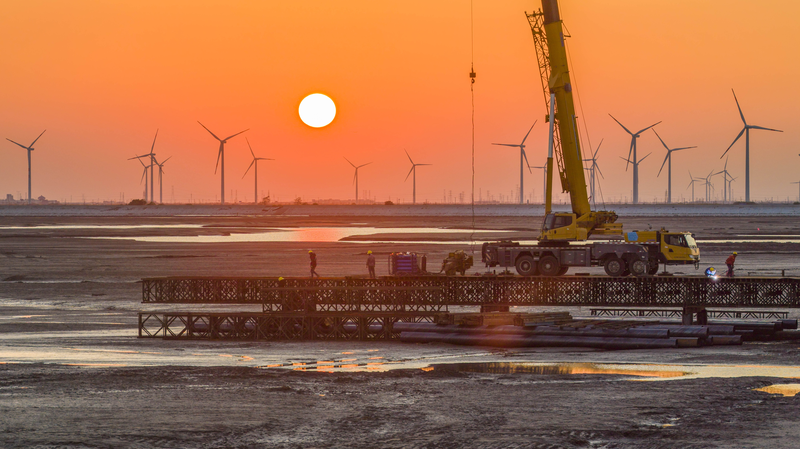
Chinese Premier Li Qiang emphasized the urgent need to modernize the nation's energy infrastructure during a high-level State Council meeting this week, framing the initiative as critical to balancing energy security with climate goals. The discussions, attended by Vice Premiers Ding Xuexiang, Zhang Guoqing, and Liu Guozhong, focused on strategies to future-proof China's power systems amid rising global volatility and domestic demand.
Building Resilience Through Innovation
Premier Li stressed that technological breakthroughs will drive the development of a 'new-type energy system,' combining expanded renewable capacity with upgraded fossil fuel efficiency. 'Enhancing our energy system's resilience isn't just about keeping lights on—it's about securing China's development path in an uncertain world,' he stated, referencing 2026's 4.2% year-to-date growth in energy consumption.
Dual Focus: Sustainability and Stability
The plan prioritizes three key areas:
- Maximizing renewable energy potential through accelerated solar/wind deployments
- Modernizing grid infrastructure to handle fluctuating clean energy inputs
- Creating a unified national electricity market to optimize resource distribution
Notably, the strategy avoids abrupt phaseouts of conventional energy, instead promoting 'cleaner coal technologies' during the transition period.
Regional Implications
Analysts suggest these reforms could position China as a leader in APEC energy innovation while addressing concerns about industrial power reliability—a key consideration for overseas investors in manufacturing hubs. The measures align with broader efforts to meet China's 2030 carbon peak targets while maintaining economic momentum.
Reference(s):
China prepares its grid for green transition and energy security
cgtn.com