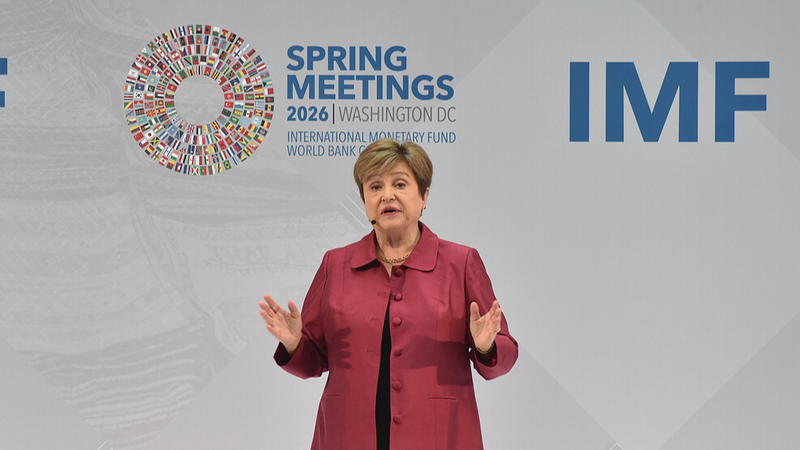
The heads of the International Energy Agency (IEA), International Monetary Fund (IMF), and World Bank Group issued a stark joint warning on April 14, 2026, about the worsening global consequences of the ongoing conflict involving Iran. The leaders emphasized that the war, led by the United States and Israel, has triggered severe disruptions to energy markets and threatens long-term economic stability worldwide.
In a coordinated statement released after their April 1-formed crisis response meeting, the organizations highlighted 'highly asymmetric' impacts hitting low-income nations hardest. Rising oil, gas, and fertilizer prices have intensified food insecurity and unemployment, while Middle Eastern energy exporters face collapsing revenues. Damaged infrastructure and shipping delays through the Strait of Hormuz are expected to prolong supply shortages, with recovery timelines remaining uncertain.
'The shockwaves extend far beyond immediate conflict zones,' the statement read. 'Displaced populations, stalled tourism, and industrial bottlenecks will require sustained international intervention.'
The IMF and World Bank have pledged targeted financial support and policy guidance to affected countries, with IEA teams monitoring energy market volatility. All three institutions vowed to maintain close coordination to address what they describe as a 'multidimensional crisis' reshaping global trade dynamics.
Reference(s):
cgtn.com