
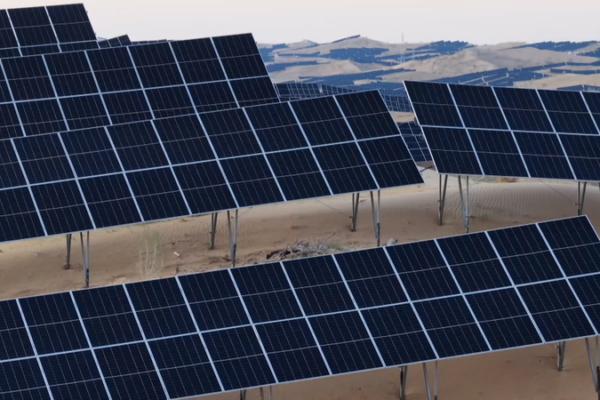
Xinjiang’s Mega Solar Project: A New Frontier in Desertification Control
Xinjiang’s world-leading solar station is combating desertification in the Gurbantunggut Desert while pioneering a new “ecology plus industry” model for clean energy.
News & Insights Across Asia
Xinjiang’s world-leading solar station is combating desertification in the Gurbantunggut Desert while pioneering a new “ecology plus industry” model for clean energy.
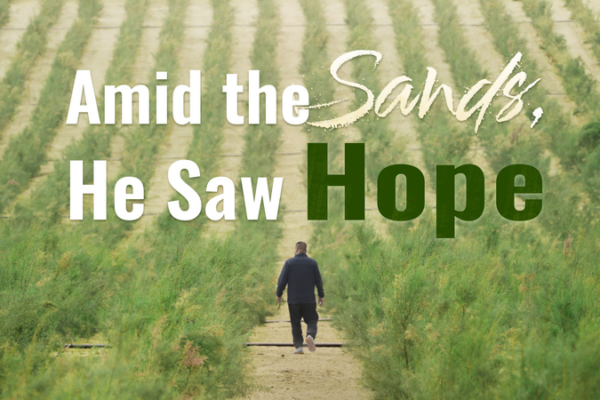
In Yutian County, Xinjiang, Jia Cunpeng leads a decade-long project to combat desertification by cultivating medicinal herbs and balancing ecology with economy.

Hotan in Xinjiang is using a hybrid of mechanical, biological, and engineering methods to manage 149,000 hectares of desert in 2026, showcasing a major ecological effort.

China’s scientific governance of the Taklimakan Desert demonstrates that desertification can be controlled through ecological harmony and innovative funding, offering lessons for the world in 2026.
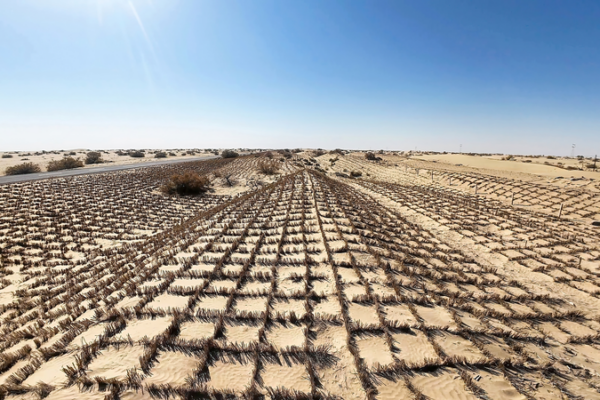
China employs satellite-guided tractors and economic crops to combat Taklimakan Desert expansion while boosting local livelihoods in Xinjiang.
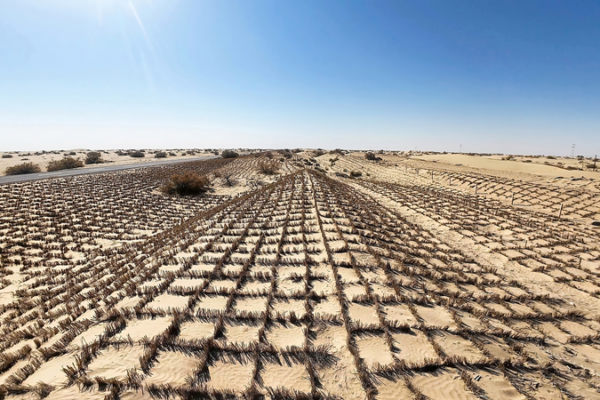
China leverages advanced technology to expand green barriers in the Taklimakan Desert, balancing ecological restoration with economic growth in Xinjiang.
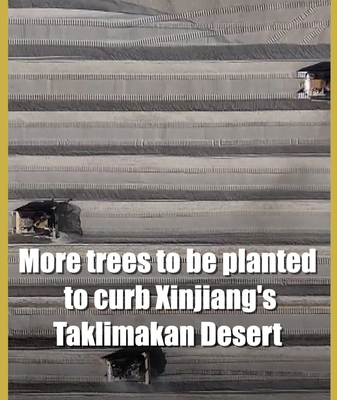
China expands world’s longest desert-edge forest belt in Xinjiang, combining ecological protection with sustainable development through advanced greening techniques.
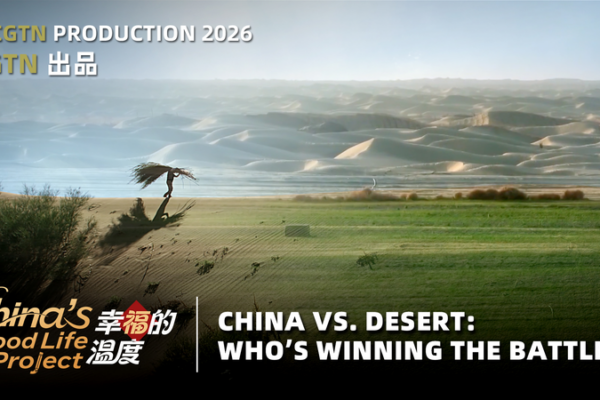
China’s 50-year effort to contain the Taklamakan Desert shows success in 2026, with green industries turning ecological gains into economic opportunities.
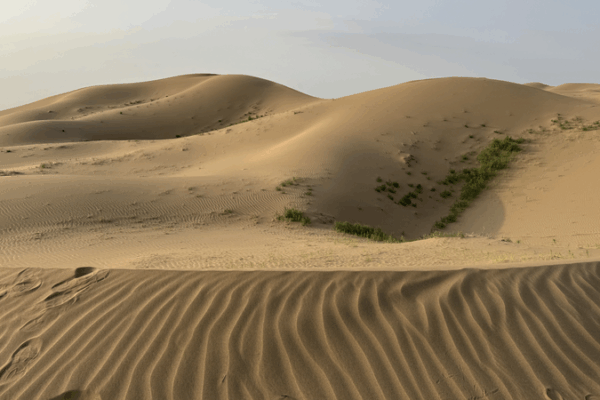
China’s Ningxia region showcases 70-year desert transformation, blending ecological restoration with economic innovation through three generations of sustained effort.
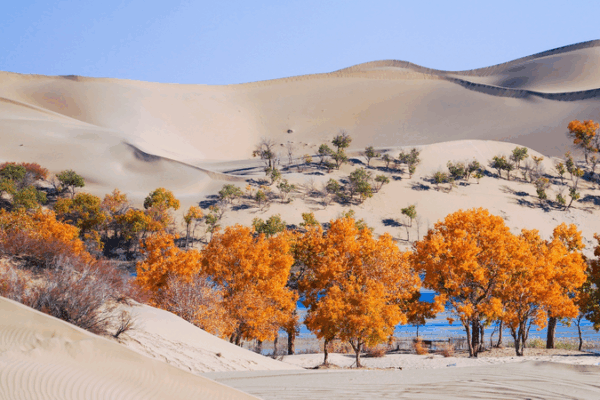
China and Central Asian nations strengthen collaboration to combat desertification, focusing on reviving the Aral Sea and expanding green initiatives.
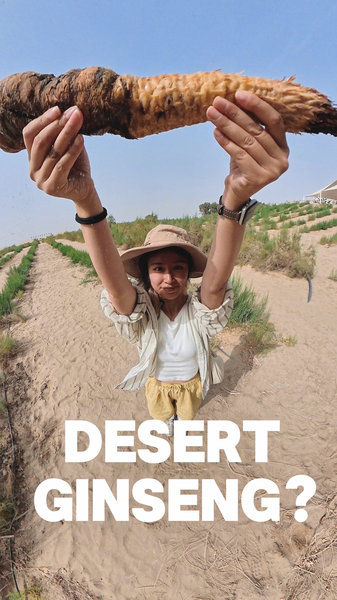
Xinjiang’s ‘desert ginseng’ fights sand expansion while creating economic opportunities through ecological innovation and traditional knowledge.
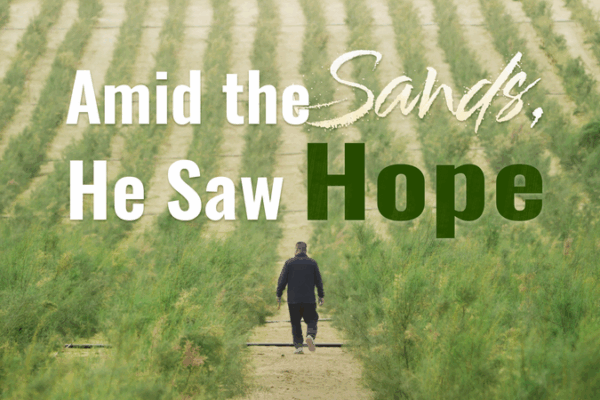
In Xinjiang’s Taklamakan Desert, Jia Cunpeng leads a decade-long effort to combat desertification by cultivating medicinal herbs, blending ecological restoration with economic growth.
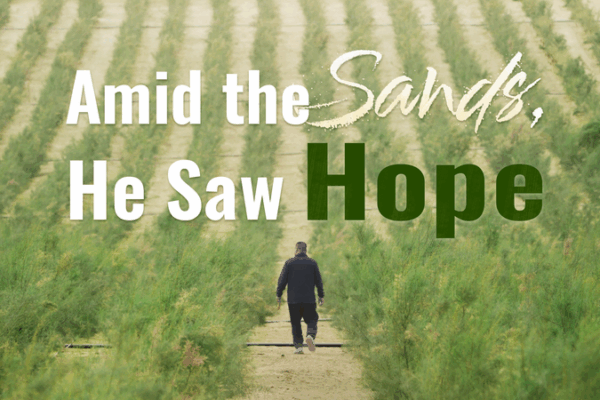
In Xinjiang’s Taklamakan Desert, Jia Cunpeng leads a decade-long initiative transforming sand into sustainable resources through medicinal herb cultivation, blending ecology and economy.

A significant milestone was reached in Xinjiang’s Yutian County as the final rose seedling was planted, completing the green belt around the Taklimakan Desert’s southern rim. Efforts continue to combat desertification.
Three generations of forest rangers in Xinjiang have built a 14 km wide and 180 km long green barrier between two deserts over 60 years, transforming the landscape and protecting the land.

UNCCD’s COP16 concluded in Riyadh, adopting 39 decisions and securing over $12 billion to combat desertification, land degradation, and drought worldwide.

Shapotou in northwest China’s Zhongwei City has transformed from a desert-threatened area to a green oasis, pushing back the Tengger Desert through innovative techniques and community efforts.

Chinese scientist Lu Qi has been honored with the 2024 UNEP Champions of the Earth Award for his groundbreaking work in reversing environmental degradation and combating desertification.

Once plagued by sandstorms and barren landscapes, Haba Lake in China’s Ningxia has transformed into a lush wildlife haven through determined ecological restoration efforts.
A UN-backed COP16 report reveals that over 75% of global land has become permanently drier over the past 30 years, posing an existential threat to billions and redefining life on Earth.