In the heart of the Taklimakan Desert, a remarkable transformation is underway. The Hotan prefecture in China's Xinjiang Uygur Autonomous Region has embarked on an ambitious environmental campaign, aiming to tame the desert sands across nearly 149,000 hectares within this year, 2026.
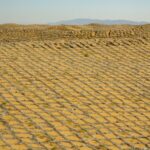
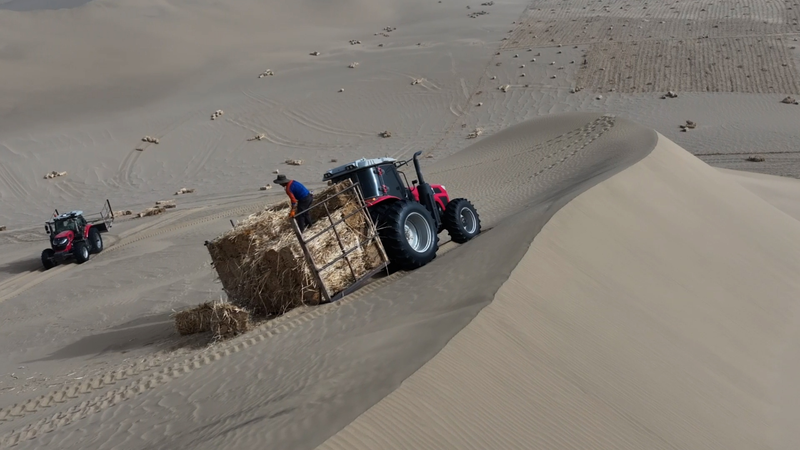
The frontline of this effort features over 670 hectares of meticulously laid straw checkerboards, a traditional sand-stabilization technique. What makes the current initiative stand out is its hybrid execution model: mechanical transport delivers materials deep into the desert, followed by precise manual laying. This blend of efficiency and human skill is tailored to the harsh, shifting landscape.
Hotan's strategy, however, extends far beyond simple physical barriers. Officials have adopted a holistic, condition-specific approach that integrates biological control, engineering stabilization, and innovative photovoltaic sand prevention. This multi-pronged methodology doesn't just halt advancing dunes; it actively works to improve the local ecosystem and create conditions for sustainable land use.
The environmental dividends are already becoming apparent. Significant reductions in sandstorm activity are enhancing air quality for local residents and protecting adjacent agricultural zones. For global observers and investors, this project highlights Asia's growing leadership in deploying integrated solutions to pressing ecological challenges, offering a model of resilience and innovation.
As of late April 2026, the project is progressing according to plan. The completion of this large-scale sand management target by year's end would mark a major milestone in regional environmental governance, demonstrating how tailored technology and steadfast commitment can reshape even the most formidable landscapes.
Reference(s):
Hotan targets 149,000 hectares of desert with hybrid sand-fix methods
cgtn.com