

Ordos City Transforms Deserts with Green Economy Initiatives
In Ordos City, China’s green economy transforms deserts into thriving landscapes through sea buckthorn plantations and high-tech agriculture.
News & Insights Across Asia
In Ordos City, China’s green economy transforms deserts into thriving landscapes through sea buckthorn plantations and high-tech agriculture.
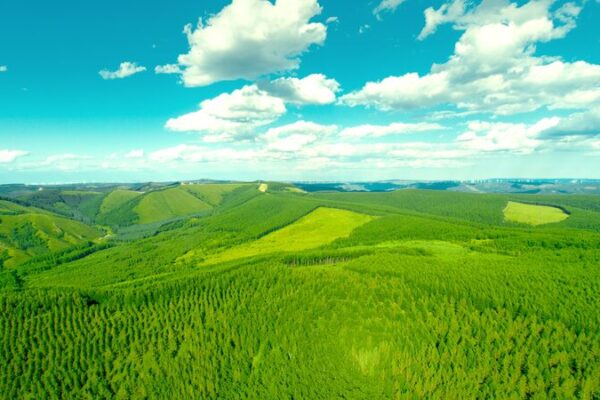
China showcases its Saihanba afforestation success at COP16 in Riyadh, highlighting its commitment to combating desertification and promoting sustainable land management.

Ningxia Hui Autonomous Region has transformed from barren desert into a flourishing oasis, showcasing innovative strategies to combat desertification and sharing its success at UN’s COP16.
China’s remarkable success in combating desertification offers a powerful model for global sustainability efforts amid escalating climate change challenges.
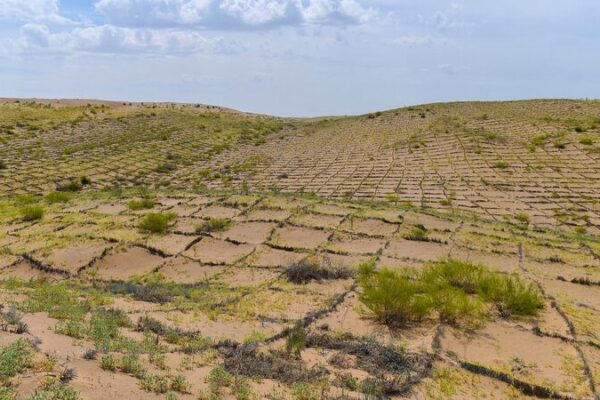
China has completed a 3,046-km green belt encircling the Taklimakan Desert, marking a significant milestone in its decades-long fight against desertification.

At the UNCCD COP16 in Riyadh, the China Pavilion opened, highlighting the Chinese mainland’s decades-long efforts to combat desertification, showcasing the Three-North Shelterbelt Forest Program.

At COP16 of the UNCCD in Riyadh, China opened its pavilion—the second-largest at the event—highlighting its decades-long efforts to combat desertification, including the Three-North Shelterbelt Forest Program.

COP16 to the UNCCD opens in Riyadh, bringing together nearly 200 parties to accelerate land restoration and enhance global cooperation on drought resilience under the theme “Our Land. Our Future.”

The UN’s COP16 on desertification has opened in Riyadh, urging global collaboration to restore degraded land and enhance drought resilience.

Once heavily affected by desertification, China now leads the world in land degradation neutrality. Discover how China’s transformative efforts in the Ulan Buh Desert turned sand into opportunity.
Global leaders will gather in Riyadh for the UNCCD COP16 summit to address desertification and promote land restoration efforts under the theme Our Land, Our Future.
As COP16 in Riyadh approaches, global efforts intensify to combat desertification and land degradation for a sustainable future.
China will send a delegation to the UNCCD COP16 in Riyadh to share its successful land restoration efforts, highlighting ecological conservation projects like the Three-North Shelterbelt Forest Program.

Discover how China combats desertification in the Taklimakan Desert using innovative methods like grass grids, photovoltaic power stations, and windbreak forests.

An innovative solar power and agriculture project is transforming Xinjiang’s Taklimakan Desert, combining renewable energy with farming to combat desertification and rejuvenate the landscape.

Facing harsh climates and tough terrain, Suolang and his neighbors have been transforming barren dunes on the Xizang Plateau into a vibrant landscape.

Mongolia has planted 84 million trees since 2021 as part of its ambitious “Billion Trees” campaign to combat desertification and land degradation by 2030.

Decades of dedication have transformed Kekeya in Xinjiang from the edge of the Taklimakan Desert into a thriving green oasis, bringing ecological and economic benefits to the once arid land.

The Mongolian scotch pine has become a vital force in combating desertification in northern China. Since its introduction in the 1950s, it serves as the flagship species of China’s Great Green Wall.
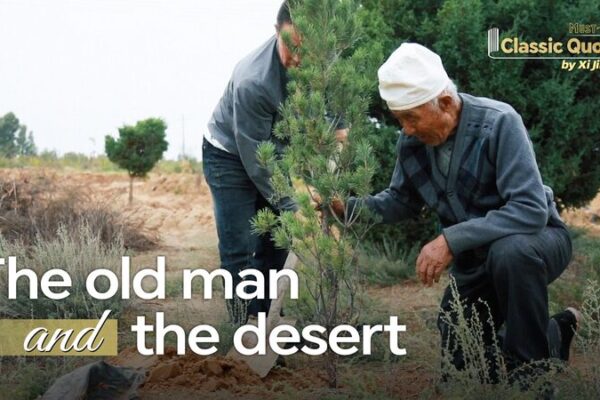
China’s efforts to promote harmony between man and nature have transformed deserts into forests. Discover how generations turned the Mu Us Desert’s barren sands into thriving green landscapes.