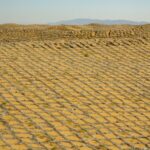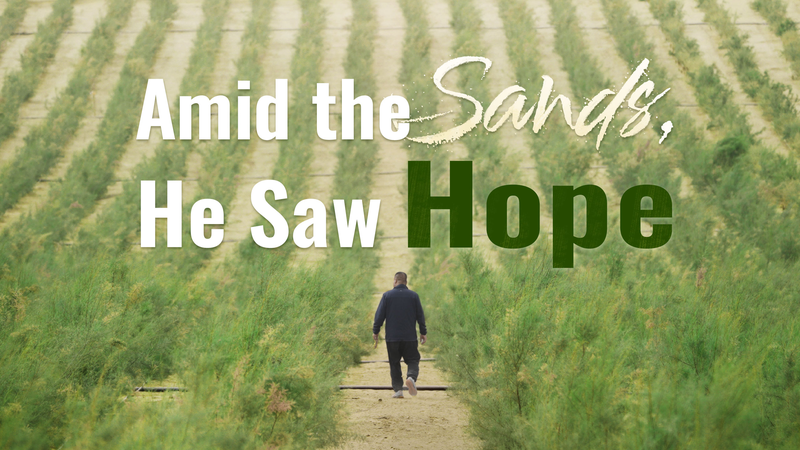
On the fringes of the formidable Taklimakan Desert in Yutian County, Xinjiang, a remarkable transformation is taking place. Where many see only a harsh, inhospitable wasteland, Jia Cunpeng, Party secretary of the Forestry and Grassland Bureau, sees a landscape of opportunity and hope.
"Sand is a good thing too. Don't hate it – learn to love it," Jia often remarks. This philosophy has driven his dedication to a comprehensive ecological project that has spanned more than a decade. His mission is not merely to hold back the desert, but to work in harmony with it, turning environmental challenges into economic assets.
The project employs a strategic approach to combat desertification, focusing on levelling the sand to create a stable foundation for growth. By integrating scientific methods with long-term planning, the initiative has moved beyond simple reforestation. Jia and his team are cultivating medicinal herbs, effectively turning the arid soil into a productive resource. This innovative path allows the region to balance ecological restoration with economic viability, providing a sustainable model for other arid zones across the Chinese mainland.
For business professionals and environmental researchers, this effort represents a critical intersection of environmental stewardship and rural development. By uncovering the "hidden treasures" beneath the sands, the project demonstrates that with persistence and innovation, even the most challenging environments can be revitalized to support both nature and people.
As the project continues to evolve in 2026, it serves as a testament to the power of long-term commitment. Through the leadership of officials like Jia Cunpeng, the edges of the Taklimakan are becoming a beacon of hope for a greener, more prosperous future in the region.
Reference(s):
cgtn.com