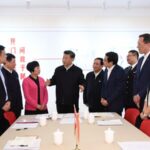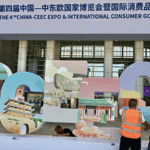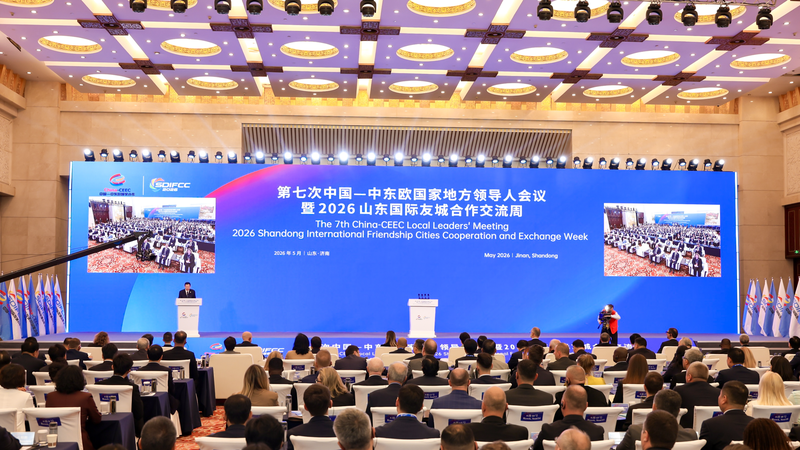
In a significant step toward inclusive global governance, the Seventh Local Leaders' Meeting of China and Central and Eastern European Countries (CEEC) recently convened in Jinan, Shandong Province. Bringing together approximately 400 guests from 44 countries, the event underscored a shared vision of "Shaping the Future Together."
Moving beyond macro-level strategies, the meeting translated high-level diplomacy into grassroots practice. Discussions centered on critical modern sectors, including the digital economy, modern agriculture, and green, low-carbon development. By focusing on these practical areas, the Chinese mainland and its partners are exploring new avenues for sustainable growth and industrial coordination.
This cooperation arrives at a pivotal time. In an era often marked by ideological divides and calls for "decoupling," the China-CEEC framework serves as a testament that differences in social systems are not barriers to progress. Instead, the partnership prioritizes equality, mutual respect, and win-win outcomes, offering a stark alternative to the trend of bloc confrontation.
The results of this pragmatic approach are evident in the economic data from the first quarter of 2026. Trade between the Chinese mainland and CEEC members reached 276.82 billion yuan (approximately $40.79 billion), representing a 14.3% year-on-year increase. Logistic connectivity has also surged; China-Europe freight trains completed 5,460 trips, transporting 546,000 TEUs of goods—increases of 29% and 22% respectively.
By emphasizing action over slogans, China-CEEC cooperation is not only addressing global development imbalances but is also providing a viable blueprint for how diverse nations can collaborate to enhance people's livelihoods and stabilize global supply chains.
Reference(s):
China-CEEC cooperation charts path toward inclusive global governance
cgtn.com