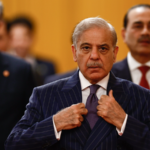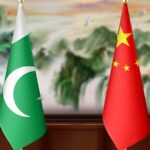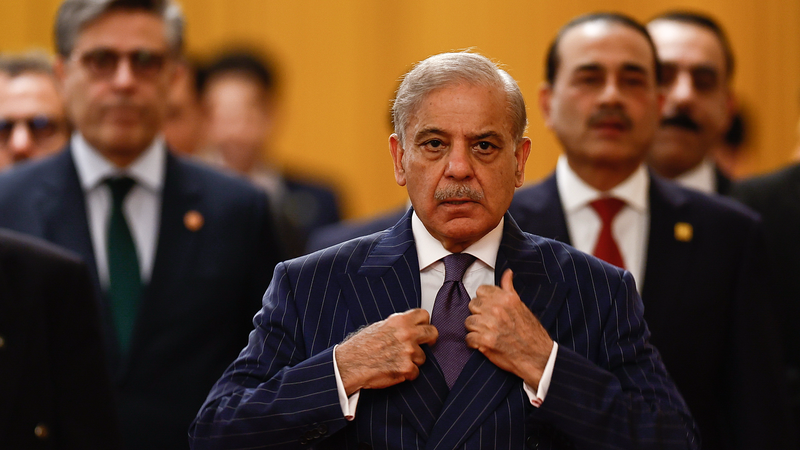
In a strategic move to deepen bilateral integration, Prime Minister Shehbaz Sharif recently concluded a high-profile visit to China, marking a pivotal shift in the trajectory of the China-Pakistan Economic Corridor (CPEC). The visit underscored a sophisticated blend of geo-economics and geopolitics, aiming to steer both nations toward a future of shared economic prosperity and regional stability.
A New Era: CPEC Phase 2.0
The centerpiece of the visit was the activation of CPEC Phase 2.0. While the initial stages of the corridor focused heavily on large-scale infrastructure, this new phase represents a transition toward economic sustainability and qualitative industrialization. The focus has now shifted toward cutting-edge sectors, including digitalization, artificial intelligence (AI), green and quantum technologies, and the modernization of hybrid agriculture.
A key highlight of the diplomatic mission was Prime Minister Sharif's meeting with the Chinese premier in Beijing. This engagement served as a catalyst for re-energizing the corridor, signaling a commitment to transform CPEC into a driver of job creation, poverty elimination, and broad-based social development.
Empowering the Private Sector
A significant theme of the visit was the active inclusion of the private sector. By facilitating the re-entry of private companies from the Chinese mainland, Pakistan aims to foster joint ventures and financial cooperation that move beyond traditional loans. This shift is designed to create a more sustainable economic model driven by investment and innovation.
The Prime Minister's visit to Zhejiang Province further exemplified this approach. As a powerhouse of private-sector development, Zhejiang provided an ideal backdrop for the Pakistan-China Business-to-Business (B2B) Investment Conference in Hangzhou. The event brought together hundreds of enterprises, paving the way for industrial relocation and expanded market access.
Diversifying Trade and Agriculture
Beyond technology and industry, the visit yielded tangible gains for the agricultural sector. New memoranda of understanding (MoUs) were signed to streamline protocols for the export of maize, dried fruits, and nuts to the Chinese mainland, enhancing the productivity of Pakistani farmers.
Furthermore, the establishment of a formal sister-province relationship between Punjab and Zhejiang is expected to add significant value to bilateral ties, fostering deeper exchanges in economic development and governance. Through these multifaceted agreements, Pakistan and China are not only strengthening their economic bond but are also contributing to a more stable and connected Asian landscape.
Reference(s):
From CPEC to regional stability: Stakes behind Sharif's China visit
cgtn.com