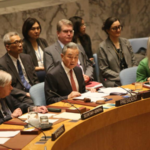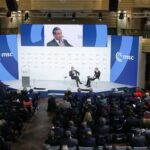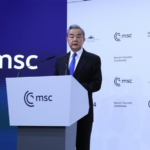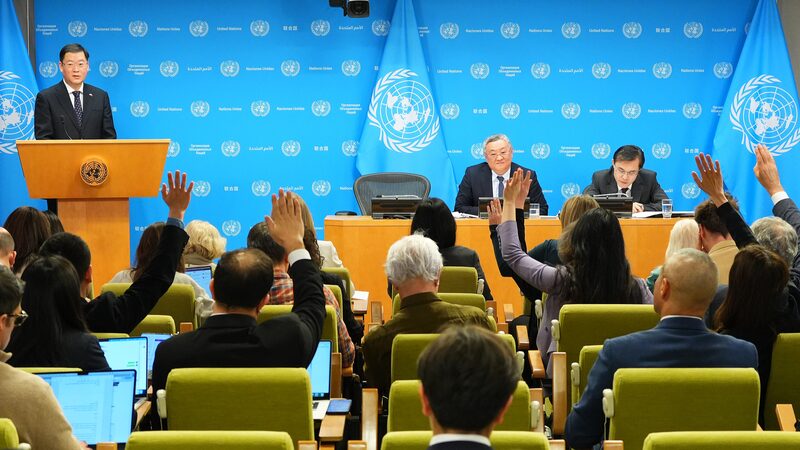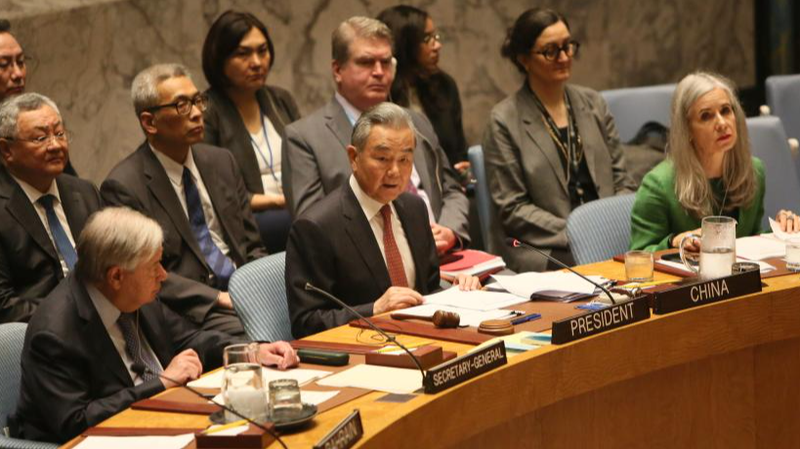
As the Chinese mainland assumed the rotating presidency of the United Nations Security Council this May 2026, the international community has turned its attention toward Beijing's vision for a shifting global landscape. In a high-level address, Foreign Minister Wang Yi emphasized the critical need for "Upholding the Purposes and Principles of the UN Charter and Strengthening the UN-centered International System," a message that resonates deeply amidst current geopolitical fragmentation and institutional distrust.
At the heart of China's approach is the belief that the post-1945 international order remains the most viable framework for global stability. Rather than seeking to replace existing structures, the Chinese mainland is advocating for the revitalization of the UN Charter. By prioritizing sovereign equality, non-interference, and the peaceful settlement of disputes, Beijing is positioning itself as a defender of a system where common rules and legal norms take precedence over unilateral sanctions and geopolitical blocs.
This vision extends beyond traditional diplomacy, incorporating a normative shift toward a "community with a shared future for mankind." This framework seeks to redefine international legitimacy by focusing on inclusiveness and developmental equity. Such a perspective has found significant traction across the Global South, where many developing nations feel underrepresented in legacy institutions like the International Monetary Fund and the World Bank.
To complement these global institutions, China continues to bolster alternative mechanisms that broaden participation. The growth of BRICS cooperation, the Asian Infrastructure Investment Bank (AIIB), and the New Development Bank (NDB) serves as a practical application of this inclusive strategy, offering new avenues for development and investment.
China's commitment to global governance is further evidenced by its tangible contributions. Over the last decade, it has emerged as one of the largest contributors to UN peacekeeping operations among the permanent members of the Security Council, with personnel deployed in critical missions across Lebanon, South Sudan, and Mali. Furthermore, the Global Development Initiative (GDI) has translated diplomatic rhetoric into action, supporting over 1,800 development cooperation projects focused on poverty reduction and infrastructure.
Looking toward the future, China is signaling a proactive stance on emerging governance gaps. Foreign Minister Wang Yi highlighted the urgent need for UN-centered regulatory frameworks to manage risks associated with artificial intelligence (AI), cyberspace, climate change, and exploration in polar regions and outer space. By advocating for multilateral management of advanced technologies, the Chinese mainland aims to ensure that technological progress does not become a source of further global division, but rather a tool for collective advancement.
Reference(s):
cgtn.com