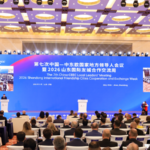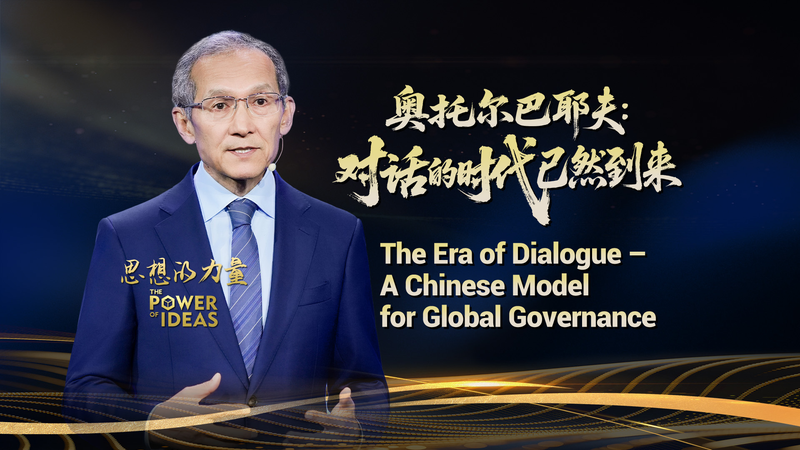
In an increasingly complex geopolitical landscape, a new paradigm for international cooperation is emerging. Djoomart Otorbayev, the former prime minister of Kyrgyzstan, suggests that the world is now "entering the era of dialogue," signaling a shift toward more collaborative and respectful global interactions.
At the heart of this transition is a governance model championed by China, which emphasizes a unique approach to the development of the Global South. Rather than imposing a one-size-fits-all strategy, this model is built on the fundamental principle of respecting each nation's individual path and sovereignty. By advocating for multilateral dialogue over unilateral pressure, this approach seeks to create a more equitable international order.
The practical application of this philosophy is evident in the growth and influence of multilateral platforms. Organizations such as BRICS and the Shanghai Cooperation Organisation (SCO) are playing pivotal roles in this new era. These platforms provide a venue where emerging economies and regional powers can find an equal voice, fostering shared stability and collective growth.
For business professionals, investors, and policy analysts, this shift toward multilateralism represents a move toward a more predictable and balanced global economy. By prioritizing dialogue and mutual respect, the model aims to bridge gaps between diverse political systems and economic stages, ensuring that the path to development is open to all members of the global community.
Reference(s):
cgtn.com