
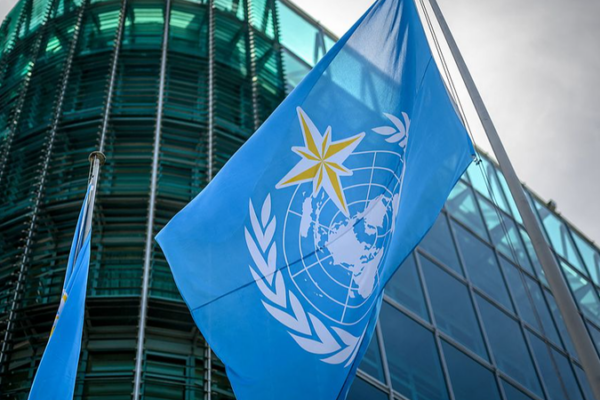
WMO Warns of High El Niño Risk: Preparing for Extreme Weather This Summer
WMO warns of an 80% chance of El Niño between June and August, urging global preparedness as climate change amplifies the risk of extreme weather.
News & Insights Across Asia
WMO warns of an 80% chance of El Niño between June and August, urging global preparedness as climate change amplifies the risk of extreme weather.
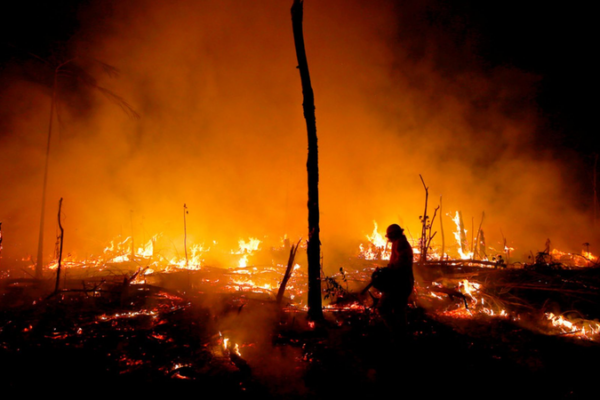
The UN’s weather agency warns of a moderate to strong El Niño event, predicting global temperature spikes and extreme weather risks through November 2026.
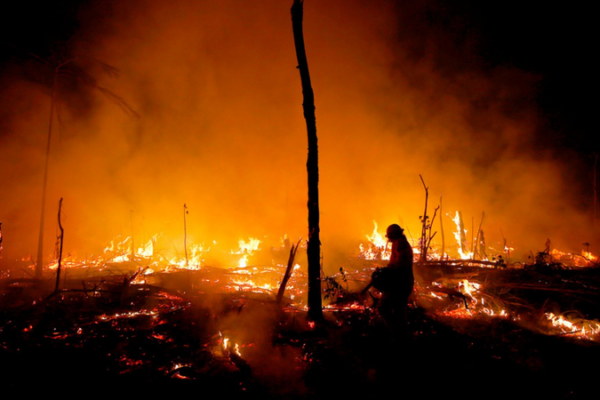
The UN weather agency warns of a potentially strong El Niño, forecasting above-average temperatures and extreme weather risks from June through November.
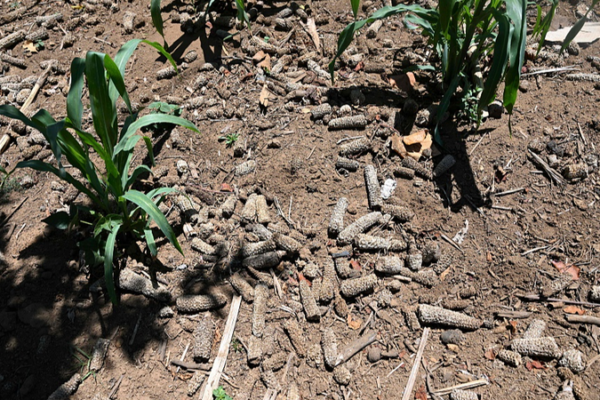
The WMO reports that current climate models forecast the El Niño event to reach at least moderate strength, with potential for further intensification in the coming months.
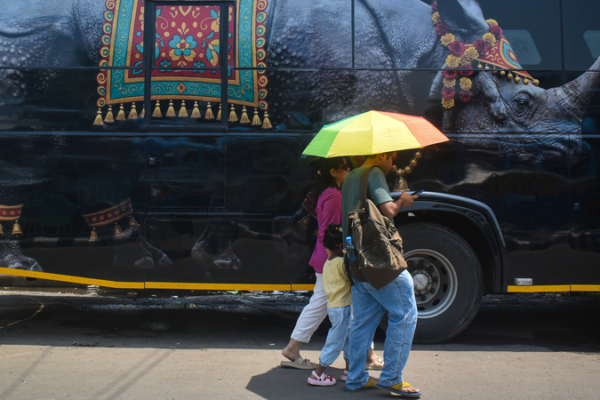
Northern and central India are facing extreme temperatures up to 48.2°C, driven by a combination of El Niño, weakened weather patterns, and long-term global warming.

Meteorologists warn that 2026 may become one of the hottest years on record as El Niño conditions emerge in the Pacific, increasing extreme weather risks.
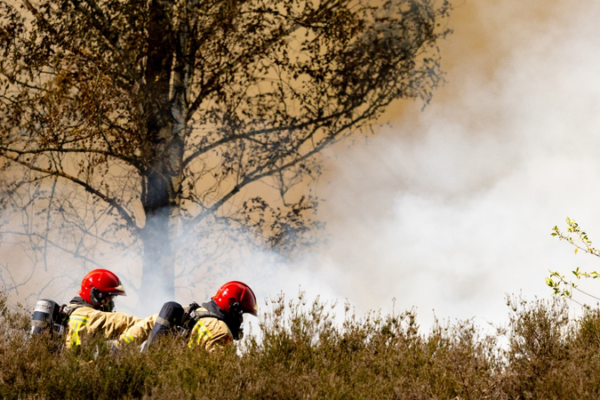
The EU’s climate monitor reports that sea surface temperatures are nearing record highs as the world transitions toward a powerful El Niño weather pattern.
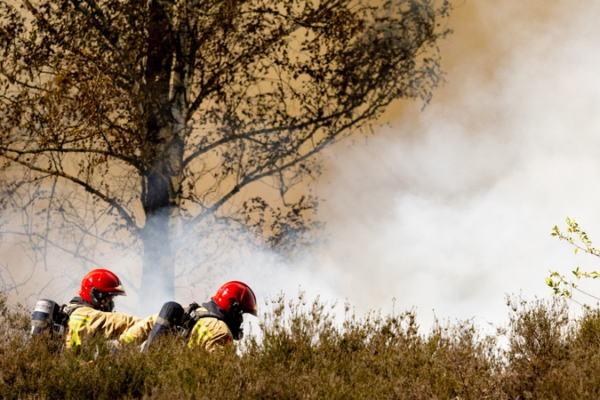
EU climate monitors warn that ocean surface temperatures are approaching record highs as the world transitions toward a potentially powerful El Niño pattern.

The EU’s climate monitoring network reports that April 2026 recorded the second-highest extra-polar sea surface temperatures on record as El Niño conditions mature.

July was the world’s second-hottest month on record, ending a 13-month streak of record-breaking warmth, according to the EU’s Copernicus Climate Change Service, influenced by a strengthening El Niño.
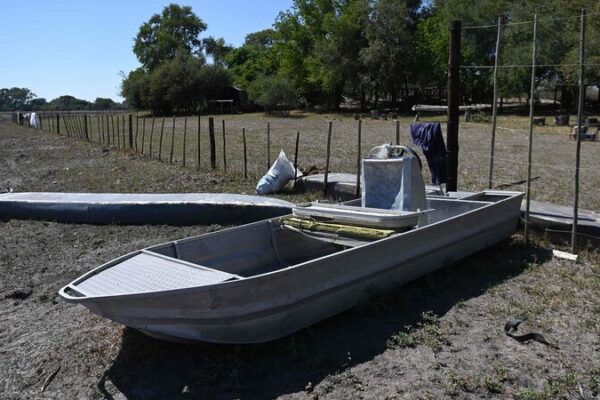
El Niño-induced drought has slashed Botswana’s GDP by 38%, with crop yields plummeting and cereal production meeting only 23% of national needs, according to a recent report by the Botswana Climate Change Network.

Facing its worst drought in five decades, Costa Rica announces power rationing as hydroelectric plants struggle amid severe lack of rainfall.
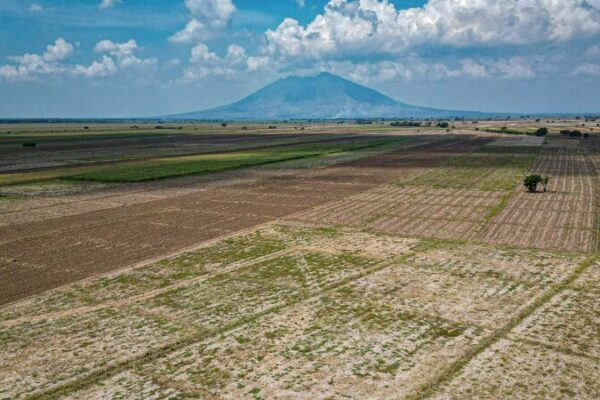
Facing severe drought due to El Niño affecting 2.9 million people, the Philippines is considering cloud seeding to alleviate water scarcity, with 131 areas declaring a state of calamity.
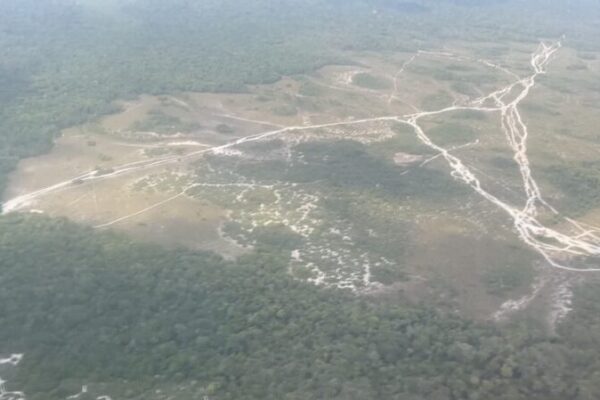
Suriname faces its worst drought in 25 years due to El Niño, severely reducing crop yields and impacting agriculture in key districts.
El Niño-induced drought threatens southern Africa with large-scale food shortages, as FAO warns of significant declines in cereal production and potential grain imports.

February saw global ocean temperatures hit record highs due to carbon emissions and El Niño, signaling urgent climate concerns.

February marked the ninth consecutive month of record-breaking global heat, with temperatures soaring 1.77°C above pre-industrial levels, according to Europe’s Copernicus Climate Change Service.
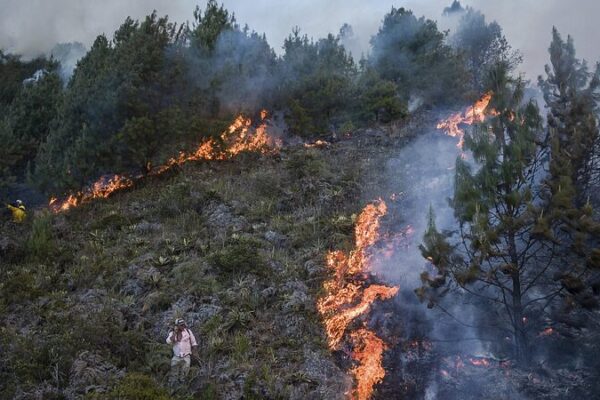
For the first time on record, Earth has experienced 12 consecutive months with temperatures exceeding 1.5°C above pre-industrial levels, signaling a critical warning on climate change.
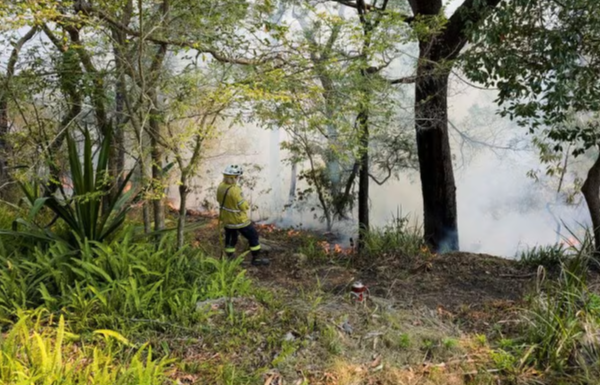
Large parts of Australia are experiencing a severe heat wave, with temperatures exceeding 40°C. Authorities warn of extreme bushfire risks amid an El Niño weather pattern fueling hot and dry conditions.
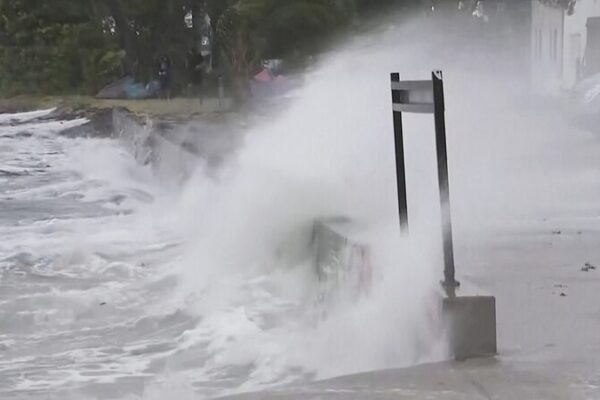
Thousands in Queensland are without power after Cyclone Kirrily hit near Townsville, bringing destructive winds and heavy rain.