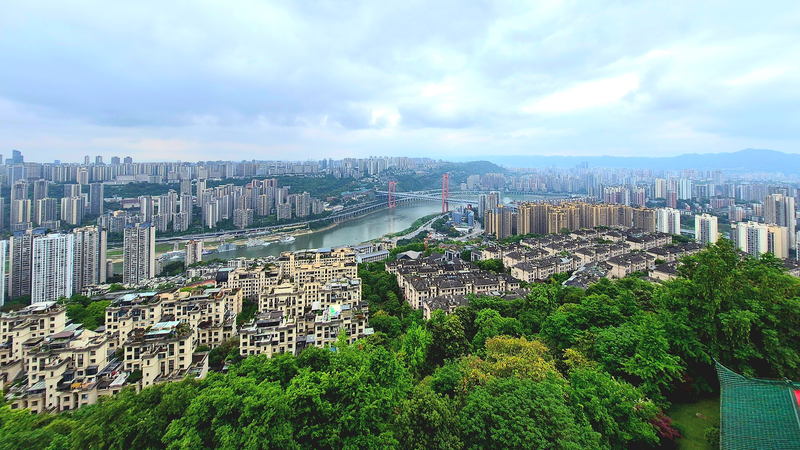
In a recent affirmation of progress in climate resilience, the head of the World Meteorological Organization highlighted the critical role of China's advanced, data-driven early warning systems. The commendation follows a severe convective weather event that impacted southwestern China's Chongqing Municipality this week, putting the region's coordinated disaster response mechanisms to the test.
The recent bout of extreme weather brought heavy rainfall, hail, and damaging winds to several districts in Chongqing. Local authorities, relying on sophisticated monitoring and forecasting tools, initiated a multi-district emergency response plan. This coordinated action, which included timely public alerts and the mobilization of emergency services, is being cited as a practical example of how modern technology can mitigate the impact of increasingly frequent and intense weather patterns.
The WMO chief's remarks underscore a broader, urgent need in the Asia-Pacific region and globally. As climate change amplifies the frequency of extreme weather events, from torrential rains to severe storms, the ability to predict, warn, and respond swiftly is no longer a luxury but a necessity for safeguarding lives and economic stability. China's investment in integrating big data, artificial intelligence, and satellite technology into its meteorological services represents a significant stride in this direction.
For business professionals and investors monitoring Asia, robust disaster preparedness infrastructure is a key component of regional risk assessment. Effective early warning systems help minimize economic disruption, protect supply chains, and ensure business continuity. Academics and researchers also see these systems as vital case studies in the application of technology for public good and climate adaptation.
The development holds particular significance for residents across Asia, where many countries face similar climatic challenges. The sharing of technological expertise and data can enhance regional cooperation, leading to more resilient communities. For the global audience interested in Asia's role on the world stage, this progress highlights the region's commitment to innovative solutions for shared global problems.
As the world grapples with the tangible effects of a warming planet, the evolution from reactive disaster management to proactive, intelligence-led prevention is paramount. The events in Chongqing and the subsequent international recognition serve as a timely reminder of the importance of continued investment and international collaboration in building a safer, more predictable future for all.
Reference(s):
cgtn.com