Fragile Peace and Rising Tensions
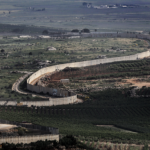
In a significant yet precarious development in the Middle East, Israel and Lebanon have agreed to a 45-day extension of their current ceasefire. A spokesperson for the US State Department confirmed the agreement this past Friday, aiming to maintain a lull in the hostilities that took effect last month.
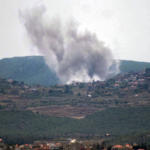
However, the reality on the ground remains starkly different from the diplomatic agreements. Despite the extension, the Lebanese National News Agency reported that Israeli strikes on Friday killed at least nine people and left dozens wounded in southern Lebanon, underscoring the fragility of the peace process and the persistent risk of escalation.
Diplomatic Deadlocks and Regional Security
Beyond the Israel-Lebanon border, diplomatic frictions between the United States and Iran continue to intensify. According to the Tehran Times, the United States rejected a 14-point peace proposal submitted by Iran on Friday, which was intended to provide a framework for ending the broader conflict.
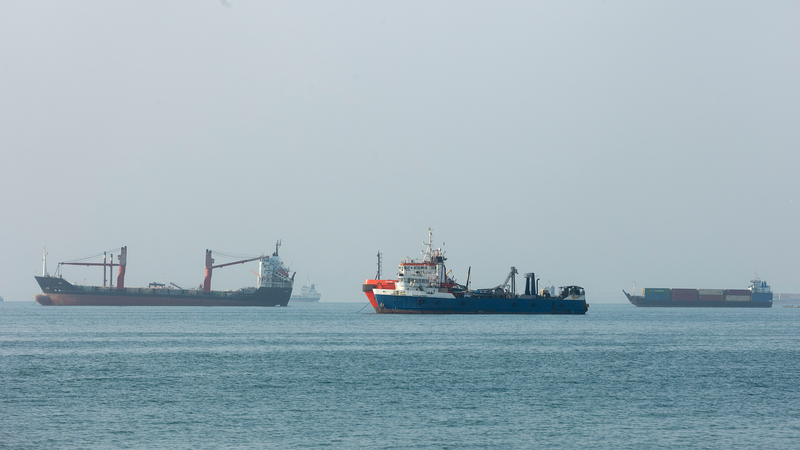
This diplomatic impasse coincides with mounting concerns over Tehran's nuclear program and overall regional security. The strategic importance of maritime trade routes has also come under the spotlight, with Iranian Foreign Minister Seyed Abbas Araghchi describing the situation surrounding the Strait of Hormuz as "very complicated."
For global markets and Asian economies that rely heavily on the stability of Middle Eastern energy corridors, these developments remain a critical point of observation. The intersection of ceasefire extensions and diplomatic rejections suggests a period of continued instability in a region vital to global geopolitical and economic security.
Reference(s):
cgtn.com