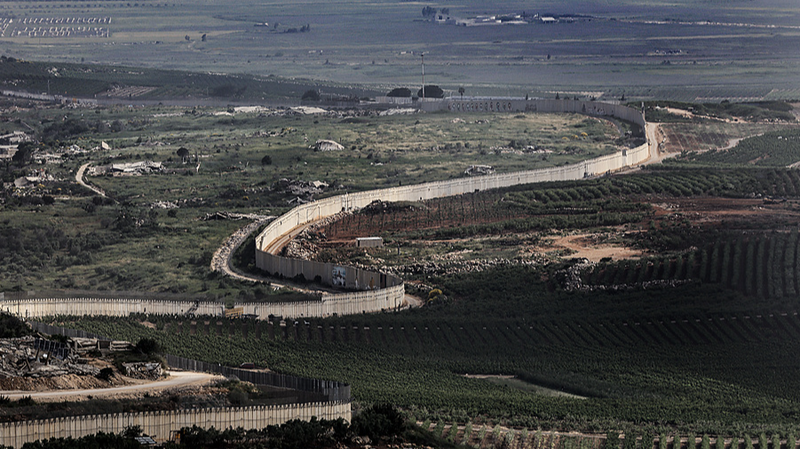
In a significant diplomatic move aimed at stabilizing a volatile region, Israel and Lebanon have agreed to extend their current ceasefire for an additional 45 days. The announcement, made on Friday, May 15, by US State Department spokesperson Tommy Piggott, seeks to provide the necessary window for further progress in peace efforts.
The cessation of hostilities, which originally took effect on April 16, is now extended to allow both parties to engage in deeper discussions. According to Piggott, military delegates from both nations are scheduled to convene for critical security talks at the Pentagon on May 29. This will be followed by high-level political negotiations hosted by the US State Department on June 2 and 3.
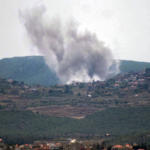
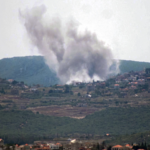
While recent direct talks held this past Thursday and Friday were described as "highly-productive," the situation on the ground remains precarious. Despite the formal extension of the ceasefire, clashes between Israel and Hezbollah in southern Lebanon have persisted, highlighting the fragility of the current truce.
Reports from the Lebanese National News Agency indicate that Israeli strikes on Friday resulted in at least nine deaths and dozens of injuries. Simultaneously, Hezbollah stated that it targeted Israeli drones, troops, and military hardware, including a Merkava tank, across various sectors of southern Lebanon.
The human cost of the conflict remains staggering. Data provided by Lebanon's Public Health Emergency Operations Center reveals a sobering toll: between March 2 and May 15, attacks have claimed 2,951 lives and left 8,988 others wounded.
As the international community watches closely, the upcoming negotiations in late May and early June represent a critical opportunity to transition from a fragile truce toward a more sustainable peace.
Reference(s):
cgtn.com