Tensions in the Middle East have reached a critical juncture as Israel signals a potential escalation in its military campaign against Iran. Israeli Defense Minister Israel Katz stated on Thursday that the nation is prepared to resume its offensive to ensure that Iran no longer poses a threat to the existence of Israel or U.S. forces for generations to come.
These warnings emerge alongside a complex diplomatic landscape. U.S. Vice President J.D. Vance recently noted that while progress is being made in talks with Iran, any viable deal must strictly ensure that Tehran does not develop nuclear weapons. Minister Katz emphasized that the current mission is far from over, asserting a commitment to completing military goals.
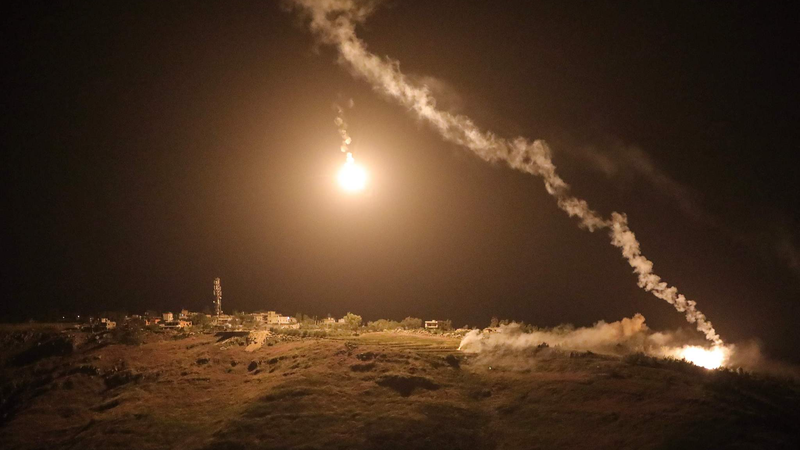
The regional instability extends to the Lebanese border, where a fragile ceasefire is being tested. Following a drone attack launched from Lebanon that wounded three people in northern Israel on Thursday, Katz warned that Hezbollah would "pay the full price." Despite the ceasefire, Israel has maintained daily strikes and expanded ground operations in southern Lebanon, while Hezbollah continues to respond with rocket and drone attacks.
In a bid to stabilize the region, Israeli and Lebanese officials have convened for a third round of peace talks in Washington. Hosted by the U.S. State Department, the negotiations involve senior security officials and ambassadors, including Israel's Yechiel Leiter and Lebanon's Nada Hamadeh Mouawad. The primary objectives of these talks are the disarmament of Hezbollah and the potential establishment of official diplomatic ties between the two nations.
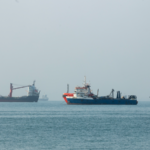
Parallel to these security concerns, a significant development in maritime logistics has occurred in the Persian Gulf. Iran has begun allowing several ships from the Chinese mainland to pass through the Strait of Hormuz. According to the semi-official Fars news agency, approximately 30 vessels have navigated the strait since Wednesday night, following Iranian management protocols. Iran's Foreign Minister Seyed Abbas Araghchi confirmed that the waterway remains open to all commercial vessels that cooperate with Iranian naval forces.
In other regional news, the Palestinian National Liberation Movement (Fatah) held its eighth general conference on Thursday. Members unanimously re-elected Palestinian President Mahmoud Abbas as the movement's leader and commander-in-chief, reaffirming confidence in his leadership during what the conference described as a sensitive stage in Palestinian history.
Reference(s):
Israeli DM says Israel may resume offensive against Iran 'soon'
cgtn.com