In a groundbreaking discovery that reshapes our understanding of early marine life, researchers have unearthed exceptionally well-preserved bryozoan fossils on the Chinese mainland. These findings provide the first definitive evidence of mineralized skeletons in Early Cambrian bryozoans, effectively pushing the group's fossil record back by at least 50 million years.
The study, recently published in the prestigious journal Nature, was led by Zhang Zhifei and a research team from Northwest University. The fossils were discovered in the Early Cambrian Xiannvdong Formation located in Hanzhong, within the Shaanxi Province.
Bryozoans, which are colonial aquatic invertebrates, continue to inhabit marine environments across the globe today. While scientists have long theorized that these organisms originated during the Cambrian Period, the evidence remained elusive for decades due to their minute size and the fragile nature of their remains.
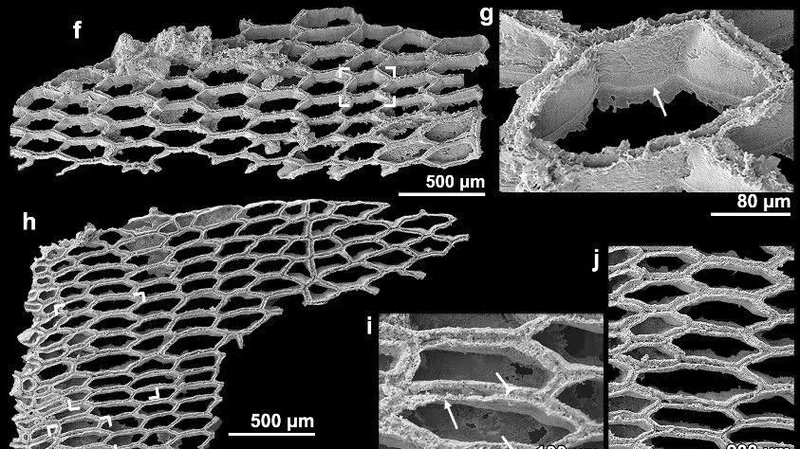
The specimens found in Shaanxi are remarkably preserved, retaining not only mineralized skeletons but also critical soft-tissue structures. The research team identified cystid walls and circular fibers, along with characteristic skeletal features such as zooecia and protrusions, offering a rare glimpse into the early evolution of the species.
To achieve these insights, the team utilized advanced analytical techniques, including X-ray computed tomography, scanning electron microscopy, and acid digestion. Phylogenetic analysis based on 50 morphological characteristics confirmed that the fossils belong to the class Stenolaemata within the phylum Bryozoa.
Beyond simple identification, the discovery reveals that ecological differentiation had already emerged among these Early Cambrian communities. This finding formally extends the known record of mineralized bryozoans from the Ordovician Period back to the Early Cambrian, marking a significant milestone in the study of prehistoric biodiversity in Asia.
Reference(s):
New fossils shed light on bryozoan origins in Early Cambrian
cgtn.com