
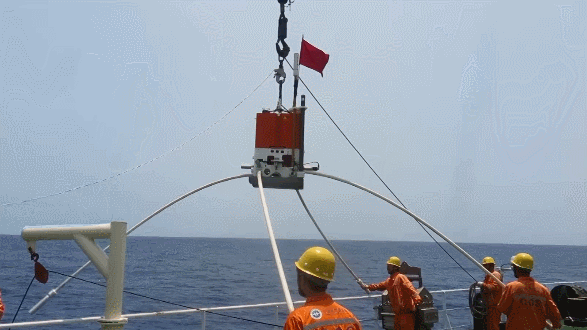
China’s Haiyang Dizhi-6 Successfully Completes 16th Deep-Sea Expedition
The Haiyang Dizhi-6 has successfully concluded its 16th deep-sea expedition, advancing marine exploration technologies and gathering vital geological samples.
News & Insights Across Asia
The Haiyang Dizhi-6 has successfully concluded its 16th deep-sea expedition, advancing marine exploration technologies and gathering vital geological samples.
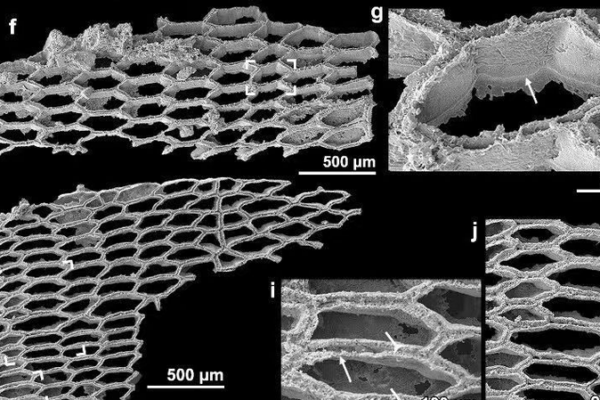
Researchers in Shaanxi Province, China, have discovered Early Cambrian bryozoan fossils, pushing the record of mineralized skeletons back by 50 million years.
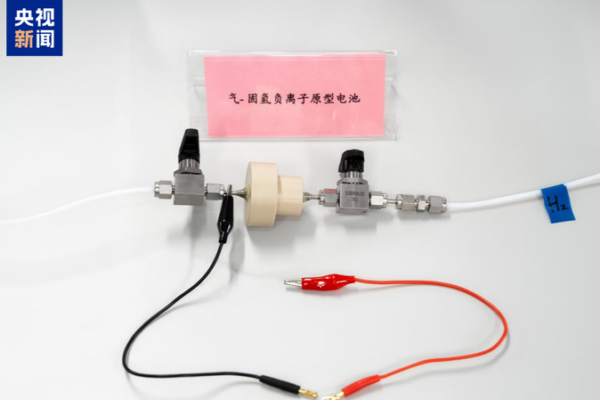
Chinese researchers have developed a prototype gas-solid battery that allows for efficient hydrogen storage at normal temperature and pressure, boasting a 93.9% energy efficiency.
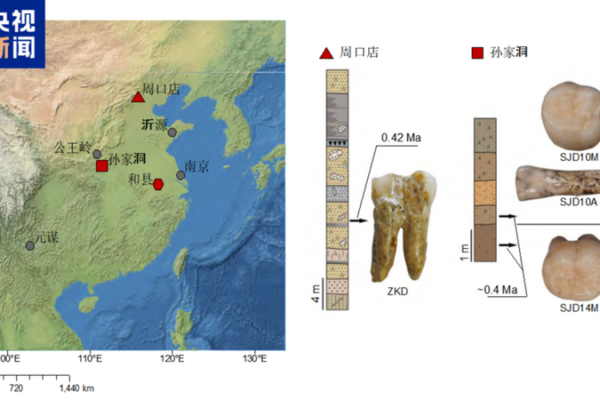
Chinese scientists have recovered the first molecular data from 400,000-year-old Homo erectus teeth, revealing new insights into human evolution and ancient genetic connections.

China achieves first batch cloning of 10 yaks in Xizang, marking a major breakthrough in livestock breeding technology with potential for industrial-scale application.
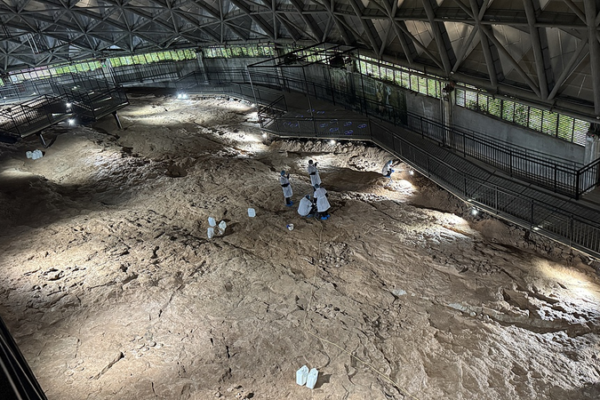
Chinese scientists deploy a custom nanocoating to protect thousands of 86-million-year-old dinosaur egg fossils from environmental decay, setting a new standard in heritage conservation.
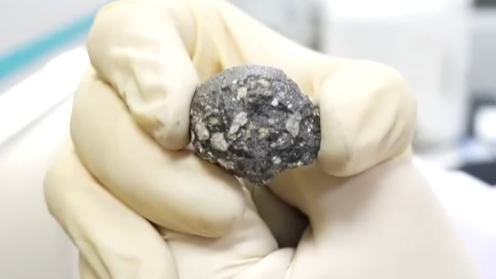
Chinese scientists identify Cerium-Magnesium Changesite, a fluorescent lunar mineral with potential applications in LED technology and materials science.

China pioneers live-streamed semi-invasive BCI surgery using domestically developed ‘Beinao No.1’ system, advancing neurorehabilitation technology.
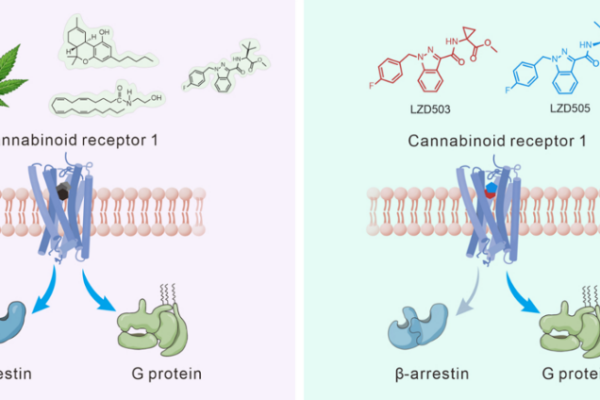
Chinese researchers announce breakthrough cannabis-based pain treatment without addiction risks, potentially transforming global chronic care management.
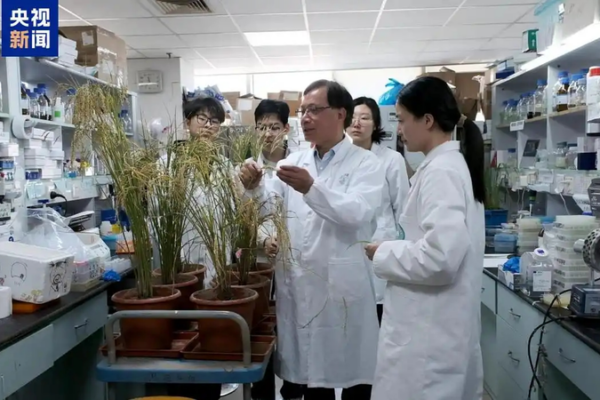
Chinese researchers develop disease-resistant rice strain without yield loss, offering breakthrough for global food security amid climate challenges.
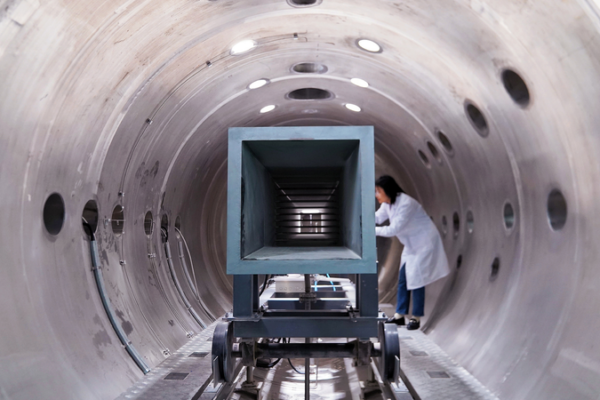
China invites global scientists to collaborate on 10 major research projects in 2026, announced at Beijing’s Zhongguancun Forum to boost international tech cooperation.
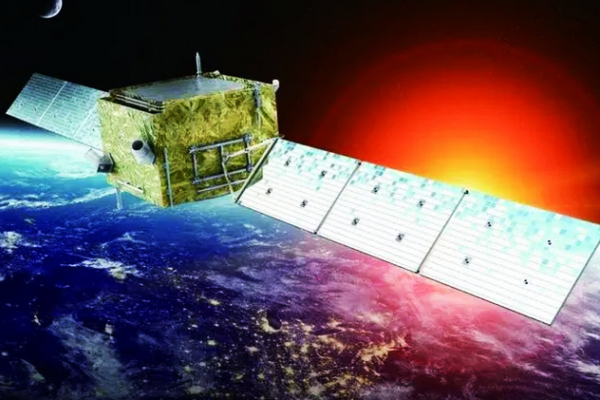
China’s Wukong satellite uncovers new solar effects on cosmic rays, enhancing understanding of space weather and interplanetary environments.

China’s Dayang-95 expedition embarks on a scientific survey of Indian Ocean seafloor minerals, combining resource assessment with environmental monitoring using advanced deep-sea technology.

China’s Plant Planet Project, involving 49 global institutions, uses AI to decode plant genomes for food security, biodiversity conservation, and climate-resilient crops.
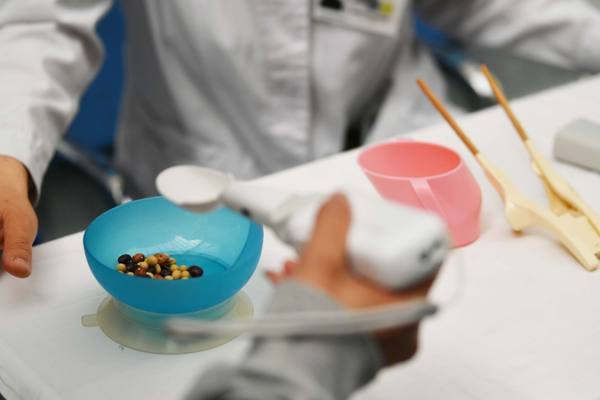
Chinese researchers map a critical brain circuit linked to Parkinson’s, paving the way for non-invasive treatments. Published in Nature, the study addresses long-standing mysteries in neural coordination.

A Chinese-developed oral antiviral shows significant efficacy against Nipah virus in lab and animal studies, offering hope amid recent outbreaks.

Chinese astronomers using the FAST telescope uncover new evidence suggesting some fast radio bursts originate from binary star systems, advancing cosmic research.
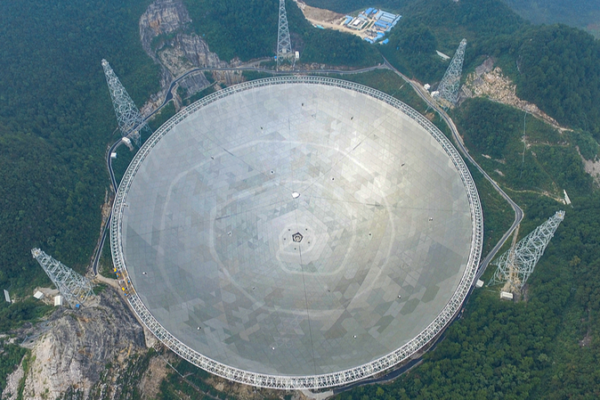
China’s FAST telescope reveals binary-system origins for cosmic fast radio bursts, marking a leap in understanding these enigmatic phenomena through unprecedented magnetic field observations.

China’s AST3-2 telescope in Antarctica completes 2025 night observations, gathering 3.5TB of data on asteroids, exoplanets, and black holes.
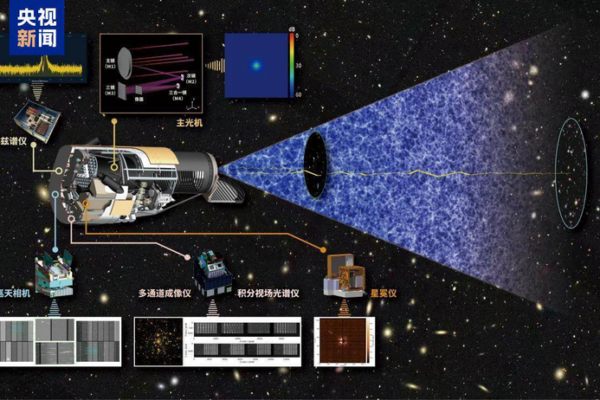
China’s Xuntian Space Telescope achieves critical simulation milestone, paving the way for groundbreaking astronomical discoveries after its 2026 launch.