
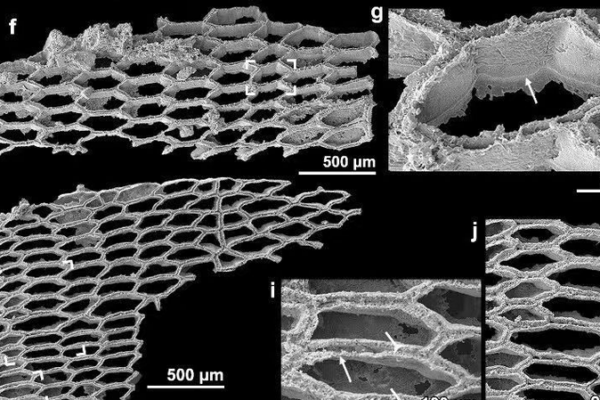
Ancient Fossil Discovery in China Pushes Bryozoan Origins Back 50 Million Years
Researchers in Shaanxi Province, China, have discovered Early Cambrian bryozoan fossils, pushing the record of mineralized skeletons back by 50 million years.
News & Insights Across Asia
Researchers in Shaanxi Province, China, have discovered Early Cambrian bryozoan fossils, pushing the record of mineralized skeletons back by 50 million years.
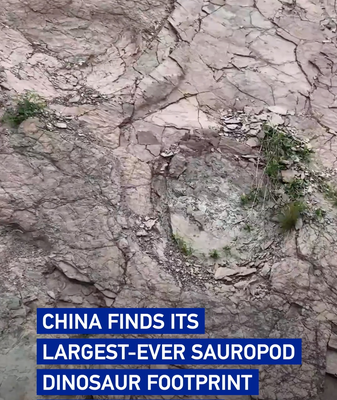
Scientists have discovered over 241 sauropod dinosaur footprints dating back 110 million years in the Liupan Mountains of Ningxia, providing key insights into prehistoric ecosystems.
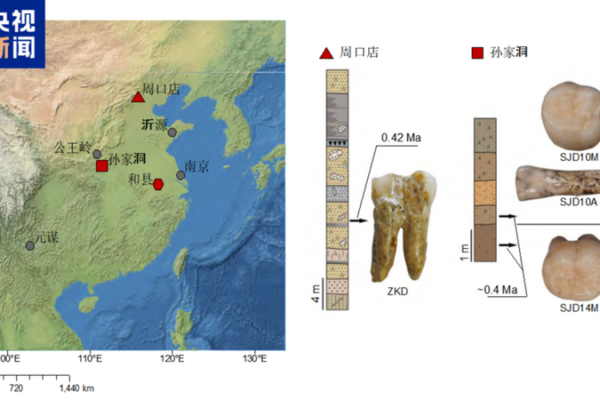
Chinese scientists have recovered the first molecular data from 400,000-year-old Homo erectus teeth, revealing new insights into human evolution and ancient genetic connections.
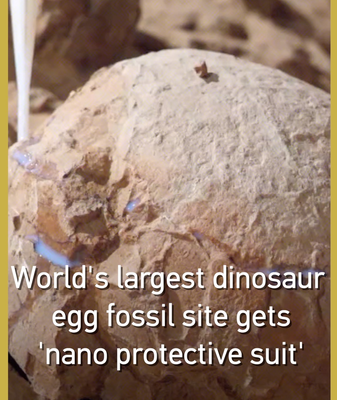
A global-first nano-coating now protects the world’s largest dinosaur egg fossil site, repairing cracks and isolating it from environmental damage.
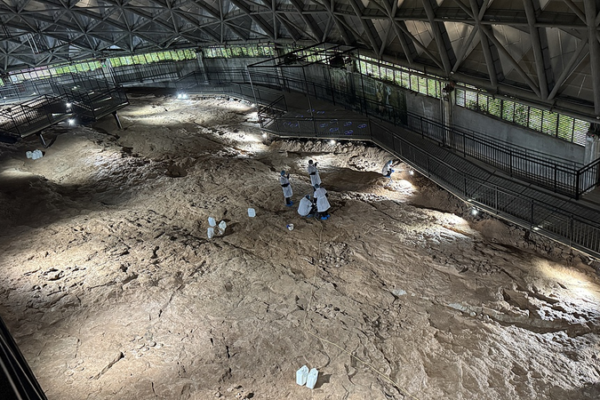
Chinese scientists deploy a custom nanocoating to protect thousands of 86-million-year-old dinosaur egg fossils from environmental decay, setting a new standard in heritage conservation.
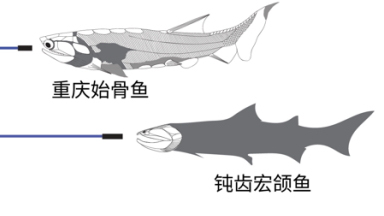
Newly discovered 400-million-year-old fish fossils in China provide critical insights into the evolutionary transition from aquatic life to terrestrial vertebrates, including humans.
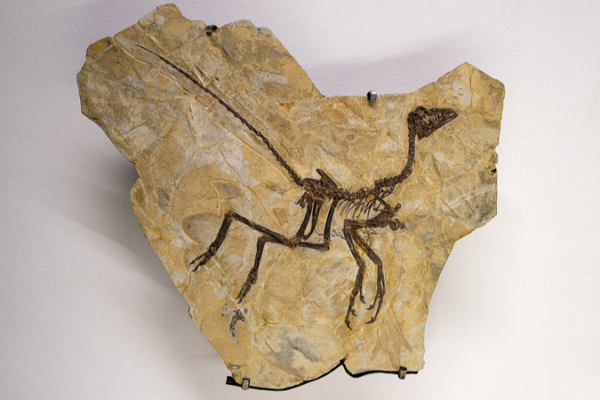
A crow-sized dinosaur fossil discovered in Argentina’s Patagonia reveals unexpected biodiversity during the Cretaceous period, challenging perceptions of an ‘Age of Giants.’
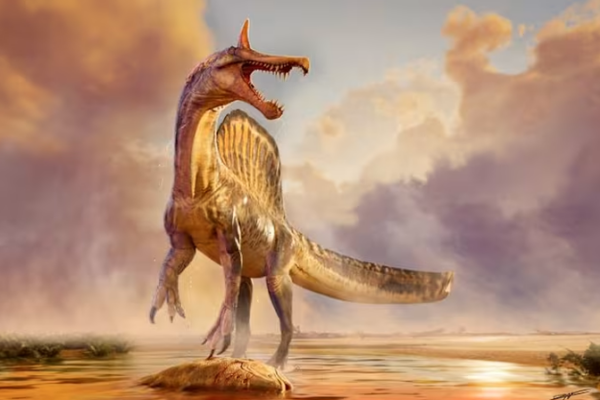
Scientists discover Spinosaurus mirabilis, a massive fish-eating dinosaur with a sword-like crest, in Niger’s Sahara, reshaping understanding of prehistoric predators.
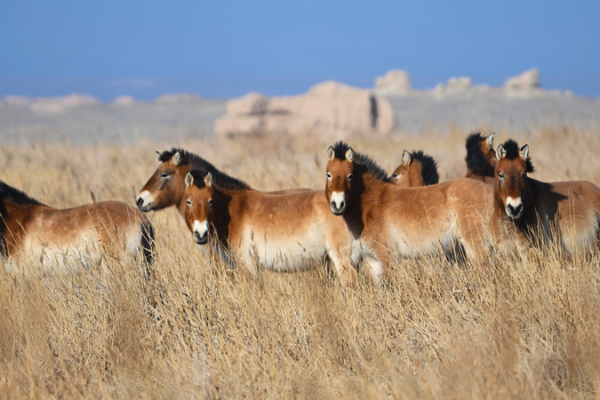
Ancient Hipparion fossils offer insights into China’s wild horse conservation efforts, bridging paleontology with modern biodiversity strategies.
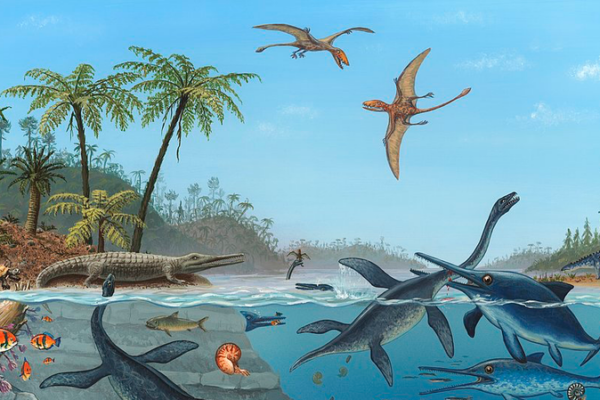
Chinese researchers identify Asia’s first Jurassic amphibian footprints in Beijing, revealing insights into 160-million-year-old ecosystems and highlighting public contributions to science.
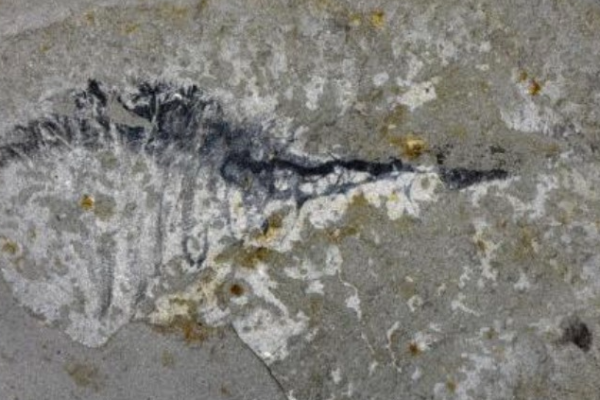
Groundbreaking fossil discovery in China’s Hunan Province reveals new details about Earth’s first mass extinction event 513 million years ago, published in Nature today.

Paleontologists discover 200-million-year-old dinosaur footprints in Sichuan, offering new insights into early dinosaur evolution and ancient ecosystems.
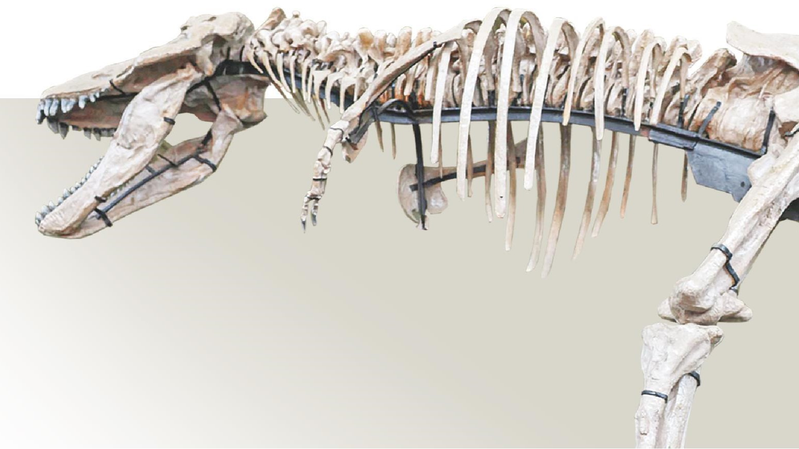
Massive tyrannosaur fossils discovered in China’s Zhucheng rival the world’s largest T. rex, offering new insights into dinosaur evolution and Asia’s paleontological significance.
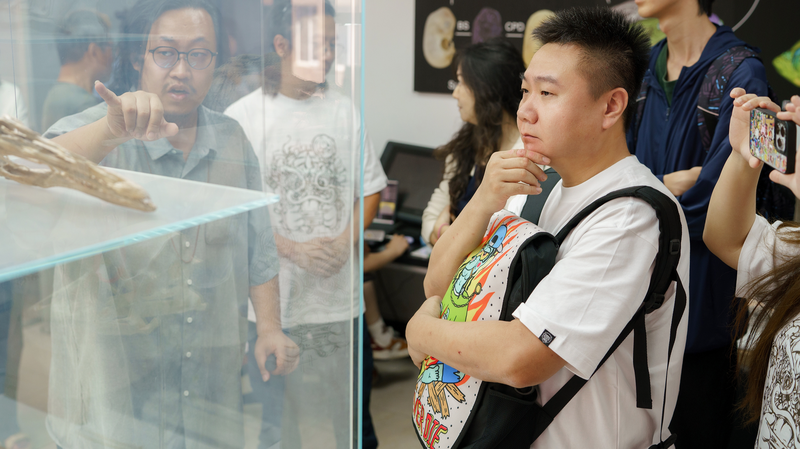
The creators of hit Chinese sci-fi series ‘Ling Cage’ collaborate with paleontology experts to inspire Season 3, blending science and storytelling.
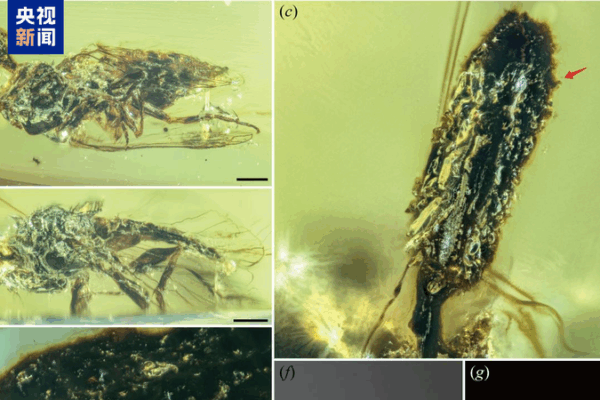
Chinese-led team discovers 100-million-year-old parasitic fungi in Myanmar amber, reshaping understanding of fungal-insect co-evolution and Ophiocordyceps origins.
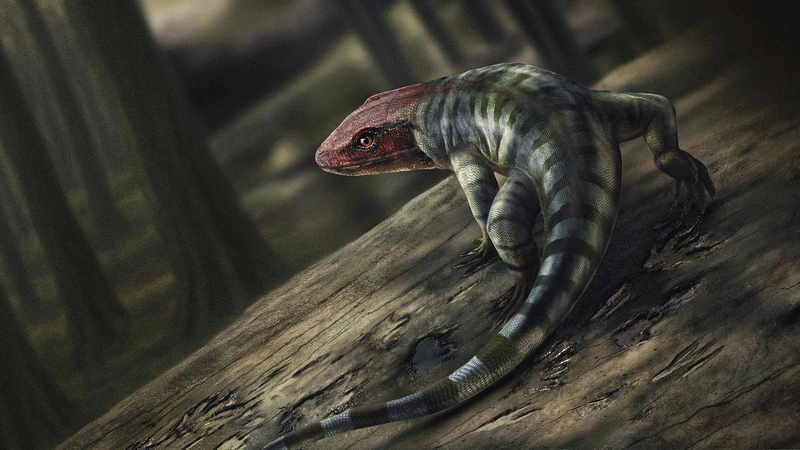
350-million-year-old reptile tracks in Australia reveal accelerated land adaptation, reshaping theories about vertebrate evolution.
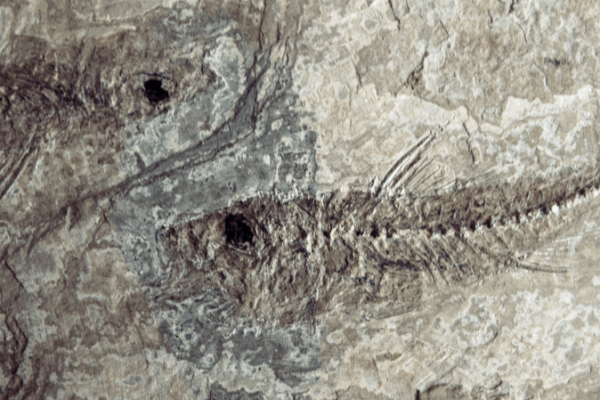
Chinese-Australian team solves 400-million-year-old fish mystery with cutting-edge tech, reshaping vertebrate evolution understanding.

New research uncovers how early mammals used dark fur to survive alongside dinosaurs, shedding light on evolutionary strategies during the Jurassic era.
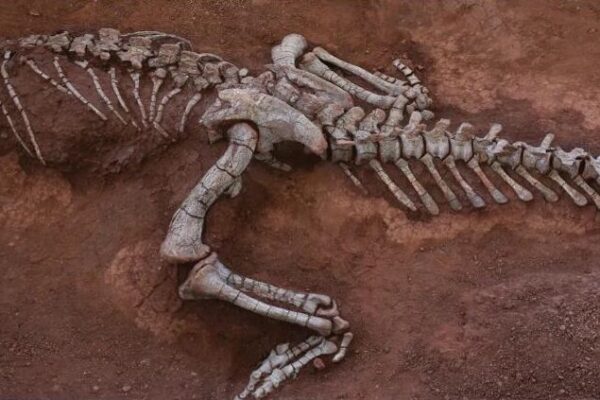
Chinese scientists have discovered a new Early Jurassic sauropod dinosaur species, Xingxiulong yueorum, based on a well-preserved fossil from Yunnan Province.
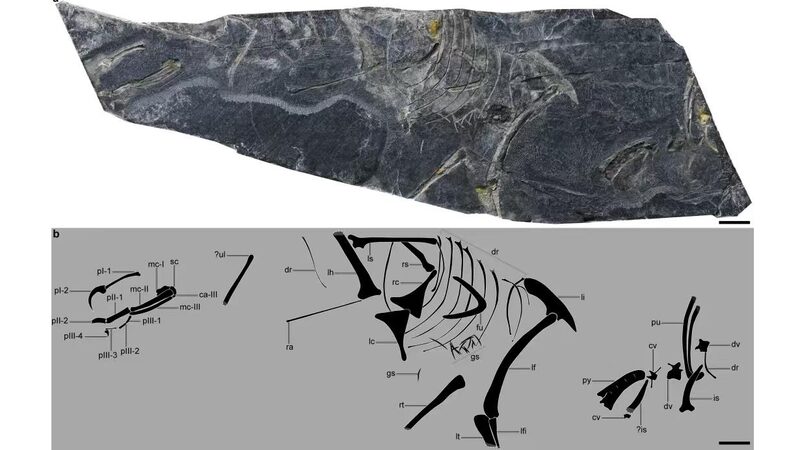
Chinese scientists discover the oldest short-tailed bird fossil, suggesting birds originated 20 million years earlier than previously thought.