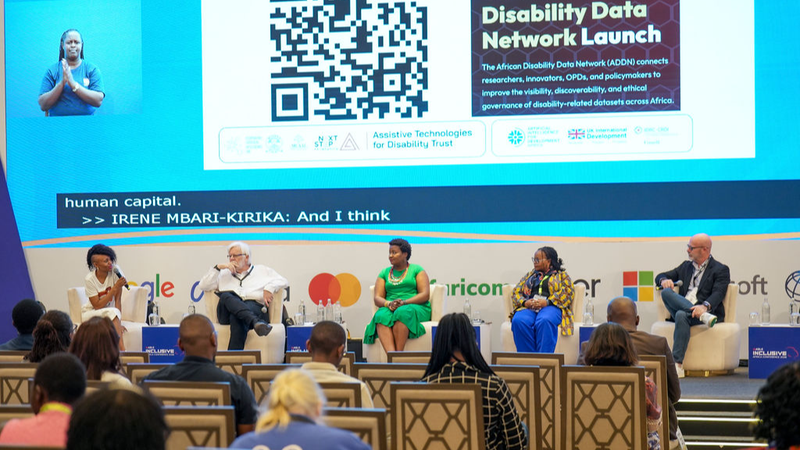
A groundbreaking report released during the 7th Inclusive Africa Conference (IAC2026) in Nairobi has shed light on the severe barriers millions of Africans with disabilities face in accessing assistive technology (AT). While the findings underscore a systemic crisis, they also highlight significant, untapped opportunities for innovation, entrepreneurship, and employment across the continent.
The comprehensive study, which reviewed more than 180 scientific papers and over 330 grey-literature documents from across 54 countries, paints a sobering picture of the current landscape. It is estimated that approximately 200 million people in Africa require at least one assistive device—ranging from wheelchairs and hearing aids to Braille devices and screen readers. However, in many countries, only 10% to 25% of these essential needs are currently being met.
The report identifies several systemic hurdles that restrict availability, including exorbitant costs, weak service delivery, and limited public awareness. Furthermore, there is a stark geographical divide; access to technology is heavily concentrated in urban centers, leaving rural communities significantly underserved and isolated.
One of the most critical insights from the study is the imbalance in the type of technology provided. While mobility devices dominate the current market, tools that support communication, learning, cognition, and digital participation—which are vital for accessing education and the modern workforce—remain largely neglected. This gap prevents millions from fully participating in the digital economy.
On the policy front, there is a glimmer of hope. Since 2016, at least 38 African countries have adopted assistive technology strategies aligned with global frameworks. Yet, the report warns that implementation remains sluggish. Funding gaps, inadequate monitoring systems, and poor coordination between government sectors continue to hinder the translation of policy into tangible results.
Despite these challenges, the report frames this gap as a frontier for growth. By investing in local manufacturing and innovative tech solutions, African nations have the potential to transform the lives of millions while fostering a new ecosystem of inclusive entrepreneurship.
Reference(s):
Report: Huge gaps, opportunities in assistive technology across Africa
cgtn.com