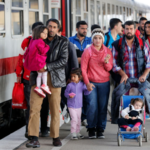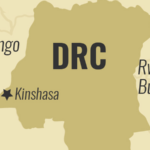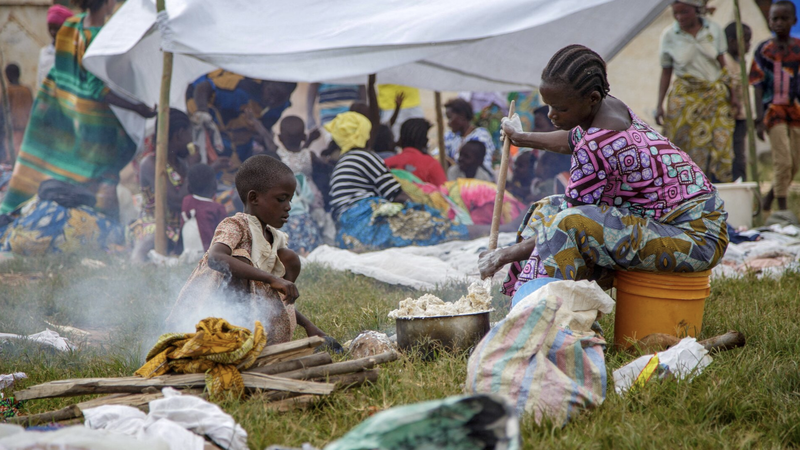
The East African nation of Burundi has begun facilitating the voluntary return of thousands of refugees from the Democratic Republic of the Congo (DRC), marking a significant moment in regional humanitarian efforts. The program, launched this week by the Burundian government in partnership with the United Nations High Commissioner for Refugees (UNHCR), offers a pathway home for those who fled conflict, while respecting the principle of voluntary return.
"This initiative represents a key step in finding durable solutions for displaced populations," said a UNHCR spokesperson. The start of the program comes at a critical juncture, as humanitarian organizations grapple with a severe funding shortfall in the face of escalating needs. In late February, the UNHCR reported that only 20 percent of the $35 million required for lifesaving assistance to refugees in Burundi this year had been secured.
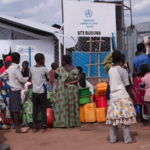
The operational reality is stark. The Busuma refugee site, home to approximately 66,000 Congolese refugees who arrived since late 2025, faces acute shortages of clean water, food, medicine, shelter, and protection services. The new repatriation program aims to alleviate some of this pressure by offering a structured and safe option for those wishing to return.
Burundian authorities have firmly stressed that participation is entirely voluntary. "No one will be forced to return," a government official reaffirmed. Refugees who choose to repatriate are encouraged to register at designated centers where they will complete administrative procedures and receive support for family reunification. Special attention will be given to households with school-aged children, individuals with specific needs, and public officials.
The initial phase of returns will focus on selected areas in South Kivu province, including Uvira, the Uvira-Baraka axis, Fizi territory, Mboko, and the Ruzizi plain. For the more than 230,000 refugees remaining in Burundi—the vast majority from the DRC—the government has pledged to continue ensuring their security, protection, and fundamental rights, with humanitarian assistance at reception sites continuing.
The program underscores the complex balance between respecting refugee choices and addressing the challenging realities of overcrowded camps and dwindling international support. It highlights the ongoing struggle for stability in a region still grappling with the aftermath of conflict and large-scale displacement, even as new efforts toward solutions begin.
Reference(s):
cgtn.com