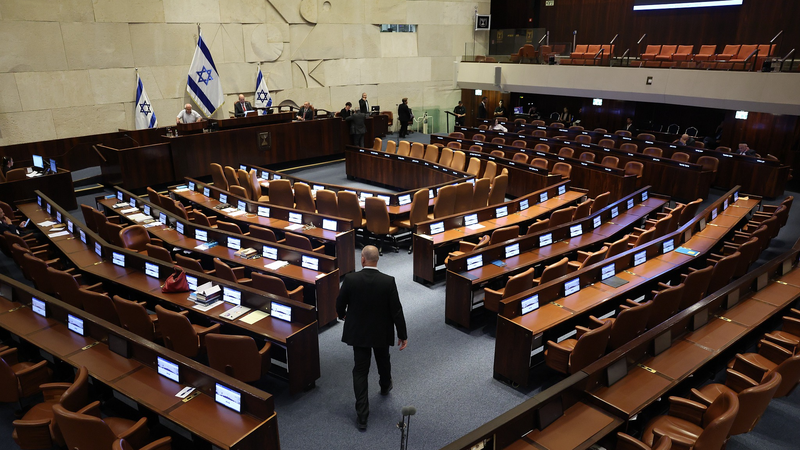
In a significant political shift, Israeli lawmakers voted today, June 2, 2026, to back a bill in its first reading to dissolve Parliament and pave the way for likely early elections. The legislation, submitted by Prime Minister Benjamin Netanyahu's ruling coalition, received support from 106 of the 120 Knesset members.
The proposed bill stipulates that elections be held between September 8 and October 20. This move accelerates the political timeline, as Israel was originally scheduled to hold elections by October 27, marking the end of the current legislative term.
Ofir Katz, chairman of the ruling coalition, highlighted the administration's tenure in a statement, noting that the Knesset passed more than 520 laws and nine budgets over four full years—a duration he described as an exceptional achievement in the often-volatile landscape of Israeli politics.
However, the push for early elections comes amid mounting internal pressure. Netanyahu's right-wing coalition has become increasingly fractious, particularly due to demands from ultra-Orthodox parties. These parties have accused the Prime Minister of failing to deliver on a pledge to secure permanent exemptions from compulsory military service for young men studying in yeshivas.
At 76, Benjamin Netanyahu remains a central and polarizing figure in the region. Often described as the phoenix of Israeli politics, he has spent more than 18 years in power since 1996. His bid for another term comes at a challenging time, as he continues to face a long-running corruption trial and recently disclosed he had undergone surgery for prostate cancer.
Public sentiment remains divided. Many Israelis hold the Prime Minister responsible for the security lapses that allowed the unprecedented Hamas attacks on October 7, 2023. Despite this, recent polling data suggests a tight race.
A poll published by public broadcaster KAN in May 2026 placed Netanyahu's Likud party narrowly ahead of Beyahad (Together), the joint list led by opposition leader Yair Lapid and former prime minister Naftali Bennett. Nevertheless, analysts suggest that neither camp is currently positioned to secure a governing majority, reflecting the deeply fragmented nature of the current political environment.
Reference(s):
Israel moves toward early elections as Netanyahu bids for another term
cgtn.com