Military Confrontation Between Tehran and Washington
Tensions in West Asia have reached a critical flashpoint as Iran and the United States confirmed they have both carried out strikes on military targets. The exchange comes amidst a fragile diplomatic landscape, with both nations accusing the other of aggressive maneuvers as efforts to end three months of regional warfare continue to stall.
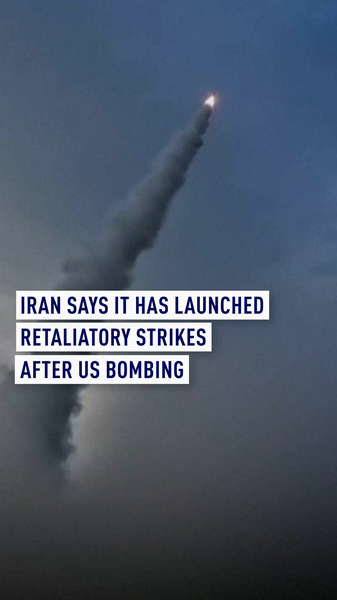
The US military reported that it struck Iranian air defenses, a ground control station, and two drones over the weekend. Officials stated these actions were a response to "aggressive Iranian actions," which included the shooting down of a US drone in international waters. In retaliation, Iran's Islamic Revolutionary Guard Corps (IRGC) announced on Monday that it had targeted a US-operated air base, though the specific location was not disclosed.
The impact of the confrontation has extended beyond the primary combatants. Kuwait activated its air defenses on Monday, denouncing Iranian missile and drone attacks that it claimed are undermining regional efforts to reduce volatility.
Israel Intensifies Operations in Lebanon
Simultaneously, the conflict has expanded in Lebanon. Israeli Prime Minister Benjamin Netanyahu has ordered fresh attacks on the southern suburbs of Beirut, specifically the Dahiyeh area, which is controlled by Hezbollah. According to Netanyahu's office, these strikes follow "repeated violations" of a ceasefire and continued attacks against Israeli cities and citizens.
While the Dahiyeh region was heavily targeted in the early stages of the war, Israel had largely avoided the area since US President Donald Trump announced a Lebanon ceasefire on April 16. However, the current escalation marks a significant shift in strategy.
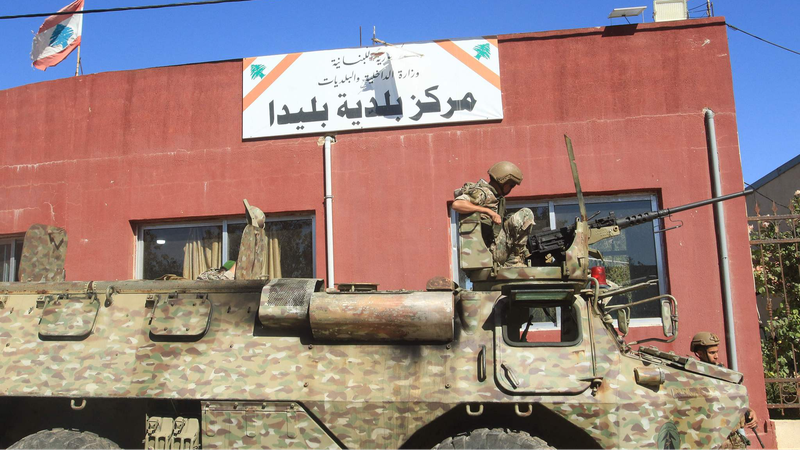
Israel has also established a self-declared security zone in southern Lebanon, where the military has been razing villages to prevent Hezbollah militants from embedding within civilian populations. On Sunday, Prime Minister Netanyahu ordered the military to expand its ground maneuver to "deepen and expand" control over territories previously held by Hezbollah.
Diplomatic Implications
The surge in military activity is casting a shadow over ongoing peace talks. Iran's foreign ministry has explicitly stated that Israeli attacks in Lebanon are a primary factor delaying the diplomatic process to end the wider conflict. Tehran has reiterated that a sustainable ceasefire in Lebanon is an integral component of any comprehensive regional deal.
As military maneuvers intensify on multiple fronts, the global community remains watchful of how these developments will impact the stability of energy markets and international security in one of the world's most volatile regions.
Reference(s):
Iran and US trade strikes, Israel pushes deeper into Lebanon
cgtn.com