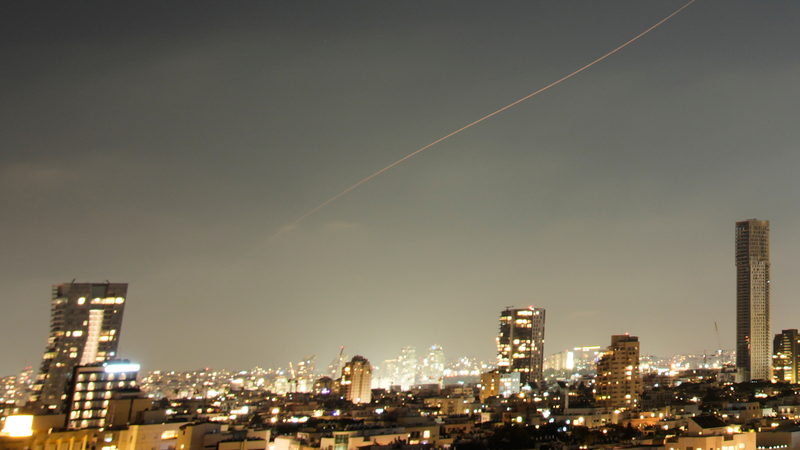
Regional tensions have surged to a critical point this week as the Israeli air force launched a new wave of strikes across several Iranian cities, including the capital, Tehran. The escalation comes in the wake of missile launches from Iran, marking the first such direct confrontation since a ceasefire was established in April.
A Cycle of Retaliation
The current crisis was triggered on Sunday evening when Iran launched several ballistic missiles toward Israel. According to the Israel Defense Forces (IDF), 10 missiles were fired, triggering sirens across northern Israel. While no immediate reports of casualties or significant damage were confirmed, the attacks targeted the Ramat David Airbase.
Iran's Islamic Revolution Guard Corps stated that the operation was a response to "widespread crimes" in Lebanon, specifically referring to Israeli airstrikes on Beirut's southern suburbs earlier that day. Lebanese health officials reported that those strikes killed at least two people and injured 20 others, occurring despite a ceasefire agreement reached in Washington last Wednesday.
International Diplomacy and Warnings
As explosions reverberated through Tehran on Monday, the international community scrambled to prevent a wider regional war. US President Donald Trump has urged Iran to cease its missile attacks and return to the negotiating table, suggesting that Washington and Tehran had been close to an agreement prior to the recent hostilities.
President Trump also held a telephone conversation with Israeli Prime Minister Benjamin Netanyahu. Reports indicate that the US President expressed a desire to avoid retaliatory strikes that could cause ceasefire negotiations to collapse, though the IDF has maintained that it will act with determination to address threats.
Regional Paralysis
The volatility of the situation has led to significant disruptions in regional logistics and travel. Several countries have taken precautionary measures to secure their skies:
- Iraq: Announced a temporary closure of its airspace for 72 hours.
- Syria: Closed southern air routes for 12 hours and suspended operations at Damascus International Airport.
- Iran: Closed its western airspace and suspended flights at Imam Khomeini International Airport.
For global investors and business professionals, the instability in West Asia continues to pose risks to energy markets and trade routes, highlighting the fragile nature of the current geopolitical landscape.
Reference(s):
Israel hits Tehran after Iran launches first missiles since ceasefire
cgtn.com