The global health community is currently facing a critical test as a new Ebola outbreak in Africa puts the resilience of international response systems to the trial. While the world has faced such crises before, health officials are now confronting this deadly virus without a cornerstone of support that defined emergency responses for over six decades: US foreign assistance.
For more than sixty years, the United States Agency for International Development (USAID) served as a primary engine for global stability, funding essential health programs, disease surveillance systems, clean water projects, and emergency food assistance across dozens of nations.
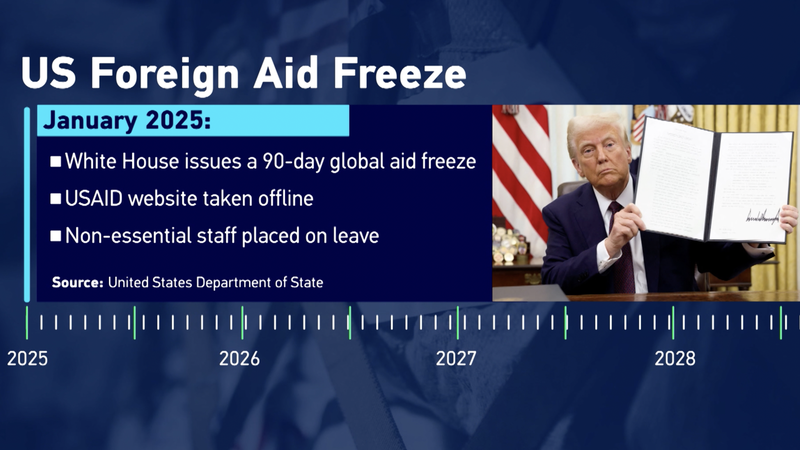
However, this landscape shifted dramatically starting in January 2025. Following the inauguration of President Donald Trump, the White House implemented sweeping policy changes, beginning with a 90-day freeze on nearly all foreign assistance programs under the guise of an overseas spending review.
The restructuring was rapid and severe. Within weeks, the USAID website was taken offline and thousands of employees globally were placed on administrative leave. By March 2025, the US State Department announced the termination of more than 80 percent of USAID programs, resulting in the end of over 5,000 contracts worldwide.
The process culminated on July 1, 2025, when USAID—an agency established in 1961—was officially dissolved as an independent entity, with its remaining functions absorbed into the State Department.
The repercussions of these cuts were felt almost immediately. Millions of dollars in emergency food aid became stranded in supply chains, and local healthcare organizations lost vital operational funding. Many community health programs, which had relied heavily on this donor support, were forced to scale back or shut down entirely. As the current Ebola outbreak unfolds, these gaps in the global health infrastructure have become dangerously apparent.
Reference(s):
Ebola outbreak exposes global health gaps left by US aid cuts
cgtn.com