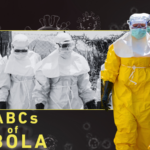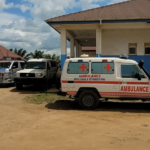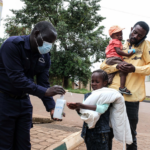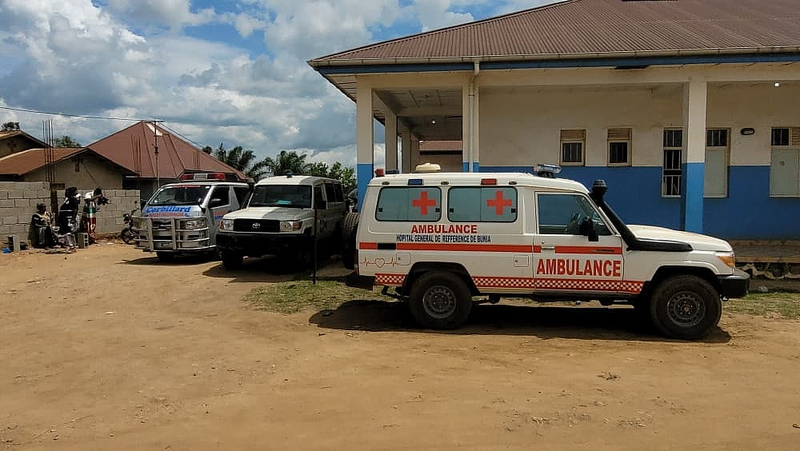
The World Health Organization (WHO) has officially designated the current Ebola outbreak in the Democratic Republic of the Congo (DRC) and Uganda as a Public Health Emergency of International Concern (PHEIC). In a statement released on its official website this past Sunday, May 16, the organization emphasized that while the situation is critical, it currently falls short of being classified as a "pandemic emergency."
The outbreak is driven by the Bundibugyo virus, a strain of the Ebola virus that has triggered significant alarm across Central Africa. According to the latest data provided by the WHO, the epicenter of the crisis is located in the DRC's Ituri Province. As of May 16, the province has reported eight confirmed cases and 246 suspected cases, with a devastating 80 suspected deaths.
The virus has also reached urban centers, with one confirmed case reported in Kinshasa, the capital of the DRC. The threat has further extended across national borders into Uganda. Two confirmed cases of Ebola, both imported from the DRC, were reported in Kampala, Uganda's capital. Health officials noted that there appears to be no epidemiological link between these two cases, raising concerns about potential multiple transmission routes.
This declaration serves as a critical signal to the global community, urging coordinated resources and enhanced surveillance to prevent further spread. For international observers, business professionals, and travelers in the region, the PHEIC status underscores the necessity of heightened vigilance and strict adherence to health protocols as efforts to contain the Bundibugyo virus intensify.
Reference(s):
cgtn.com