A Critical Health Crisis in East Africa
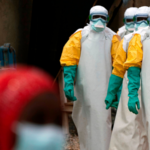
What began as a cluster of unexplained illness in the Ituri Province of the Democratic Republic of the Congo (DRC) has escalated into a regional emergency. Health authorities have confirmed the presence of the Bundibugyo strain of the Ebola virus, prompting a swift response from international and continental health bodies.
On May 25, 2026, World Health Organization (WHO) Director-General Tedros Adhanom Ghebreyesus reported a concerning surge in the DRC, with over 900 suspected cases and 101 confirmed infections. The toll includes 220 suspected deaths and 10 confirmed fatalities. The crisis has already crossed borders, with Uganda reporting seven confirmed cases and one death as of today.
The Challenge of the Bundibugyo Strain
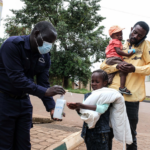
Unlike the Zaire strain associated with previous epidemics, the Bundibugyo strain is rarer and presents a unique challenge: there is currently no licensed vaccine or approved targeted antiviral treatment. Consequently, health teams are relying on traditional, rigorous public health measures, including strict case isolation, contact tracing, and safe burial protocols.
Recognizing the gravity of the situation, the WHO declared a Public Health Emergency of International Concern (PHEIC) on May 17. Simultaneously, the Africa Centres for Disease Control and Prevention has designated the situation a Public Health Emergency of Continental Security (PHECS), highlighting how the virus utilizes regional mobility corridors to spread.
Regional Responses and Border Measures
The outbreak is spreading along corridors shaped by mining activities and informal trade. In response, several East African nations have tightened their borders to prevent further transmission:
- Uganda: On May 22, Kampala halted flights to and from the DRC and suspended cross-border public passenger transport, including ferries and buses, for four weeks.
- Rwanda: Authorities closed a key border crossing near Gisenyi and Rubavu, while increasing surveillance in local health facilities.
- South Sudan, Burundi, and Tanzania: These nations have reinforced surveillance and early warning systems at entry points to detect potential importations.
- Kenya: Enhanced screening at airports and land crossings to mitigate risks from high-volume regional travel.
A Persistent Threat
Since its discovery in 1976, Ebola has repeatedly tested the resilience of African health systems. This current outbreak underscores the persistent vulnerabilities in regions where insecurity—particularly in eastern Congo—hinders the ability of response teams to map transmission chains and reach remote settlements.
For now, the fight against the virus remains a fragile equation of early detection and cross-border cooperation, as the region strives to contain a threat that has haunted the continent for nearly half a century.
Reference(s):
Ebola outbreaks in Africa trigger heightened public health measures
cgtn.com