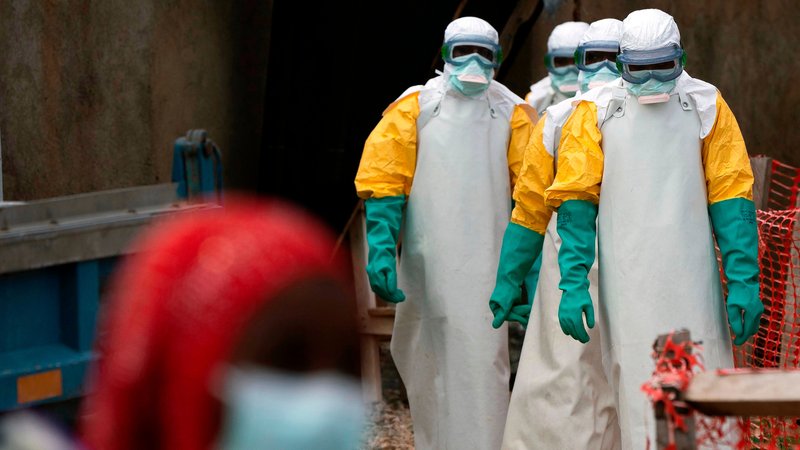
The World Health Organization (WHO) has declared a public health emergency of international concern following an Ebola outbreak spanning eastern Congo and neighboring Uganda. The announcement comes as health officials race to contain a virus that has already seen more than 336 suspected cases and 88 reported deaths.
The Path of the Outbreak
The crisis began this April in Mongwalu, a high-traffic mining hub located in Congo's Ituri province. Due to the region's activity, the virus spread rapidly; by the time health authorities were alerted via social media on May 5, 50 people had already lost their lives. The index case, a 59-year-old man, first developed symptoms on April 24 and passed away three days later.
Since then, the outbreak has expanded to two other health zones in Ituri, including the provincial capital of Bunia, which sits near the Ugandan border. The virus has already crossed international lines, with two confirmed cases in Uganda—both involving individuals who had traveled from Congo, one of whom died in Kampala.
Of particular concern to global health experts is a recently laboratory-confirmed case in Kinshasa. Located approximately 1,000 kilometers from the original epicenter, this development suggests the virus may be spreading far beyond the initial outbreak zone, increasing the risk of a wider regional crisis.
A Rare and Challenging Strain
What makes this specific outbreak particularly daunting is the strain involved: the Bundibugyo virus. Unlike the more common Ebola Zaire virus, which has been the focus of many previous outbreaks in Congo since 1976, the Bundibugyo variant is exceptionally rare. This is only the third time in history that this specific strain has been detected globally, with previous occurrences in Uganda (2007–2008) and Congo (2012).
While early data suggests the Bundibugyo strain may have a lower fatality rate than the Zaire virus, it presents a critical medical challenge: there are currently no approved vaccines or treatments specifically for this variant. This absence of medical countermeasures makes the outbreak significantly harder to manage, leaving health workers to rely on supportive care and strict containment protocols to save lives.
Reference(s):
Ebola outbreak declared a global emergency: what you need to know
cgtn.com