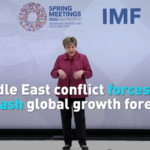
The International Monetary Fund (IMF) has slashed its 2026 global growth forecast to 3.1%, citing escalating tensions in the Middle East and their cascading effects on energy markets. This downward revision comes as a US-led blockade of the Strait of Hormuz – through which 30% of the world's seaborne oil passes – continues to disrupt trade flows and fuel market uncertainty.
In a coordinated response to the crisis, leaders from the IMF, World Bank, and International Energy Agency (IEA) warned this week of asymmetric impacts hitting low-income nations hardest. "The conflict has created a triple shock of rising energy costs, fertilizer shortages, and food insecurity," the organizations stated, noting some Middle Eastern producers are simultaneously facing steep export revenue losses.
IEA Executive Director Fatih Birol revealed that zero new energy shipments were loaded through the strategic waterway in April, calling it a "critical pressure point" for global markets. The agency stands ready to release emergency oil reserves if disruptions persist.
Chinese analysts echo these concerns. Wang Ruibin of the China Institute of International Studies told state media that combined energy, financial, and agricultural market shocks could derail economic projections. "When layered atop existing trade tensions," Wang noted, "this crisis risks creating a confidence deficit that pressures growth across sectors."
While the IMF maintains its 3.1% forecast represents moderate expansion, officials emphasize the figure assumes "no further escalation" in regional conflicts. With 40% of Asia's oil imports transiting the Strait, analysts warn prolonged disruptions could reshape supply chains and energy policies across the continent.
Reference(s):
cgtn.com