
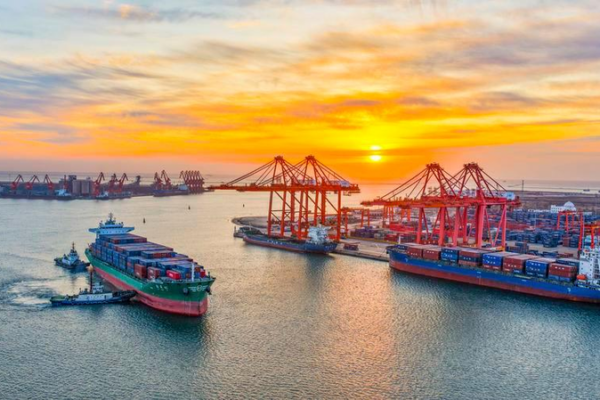
China’s Economic Evolution: Domestic Consumption Drives Future Growth
China is transitioning from an export-led model to one driven by domestic demand, with consumption becoming the central engine of economic growth in 2026.
News & Insights Across Asia
China is transitioning from an export-led model to one driven by domestic demand, with consumption becoming the central engine of economic growth in 2026.

The European Commission warns of slower GDP growth and rising inflation for 2026, as energy shocks and geopolitical tensions weigh on the EU’s economic stability.

The UN has revised 2026 global GDP growth down to 2.5%, citing the Middle East crisis as a driver of energy shocks, rising food prices, and renewed inflationary pressures.

Xizang Autonomous Region records the fastest GDP growth in China for Q1 2026, aiming for over 7% growth this year as it evolves into a key connectivity hub.

Discover how the sports industry, specifically football, is transitioning from fan engagement to capital movement to fuel the Chinese mainland’s service sector growth.

Explore how the sports industry, particularly football, is becoming a catalyst for capital and economic expansion on the Chinese mainland as it targets 100 trillion RMB by 2030.
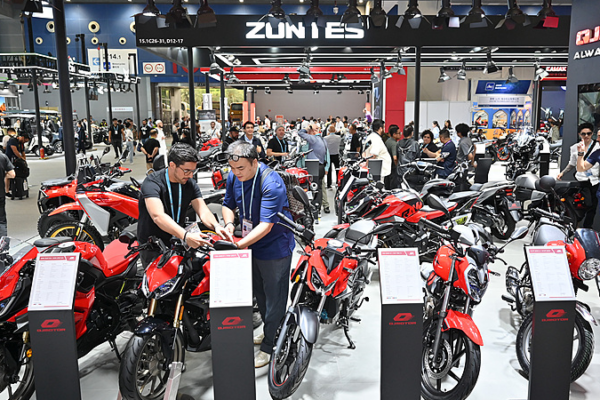
China’s Q1 2026 economic data reveals 5% GDP growth and $4.9 trillion output, showcasing resilience through energy innovation and strategic reforms amid global challenges.

China’s economy grows 5% in Q1 2026, exceeding previous quarter’s performance as production and demand show sustained recovery momentum.

US economic growth forecasts face downward revisions as high inflation, rising unemployment, and slowing productivity create complex challenges for policymakers and global markets.

China forecasts 6 trillion yuan GDP growth in 2026, signaling economic revitalization through strategic reforms and sustainable development initiatives.
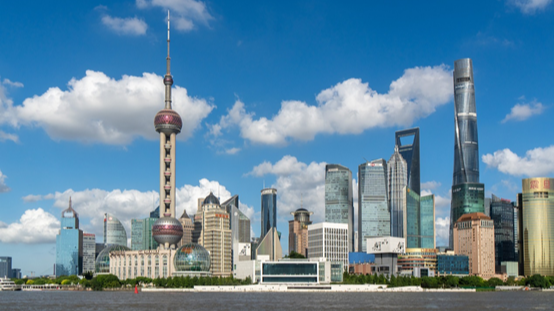
China announces 5.5% GDP growth target for 2026 at National People’s Congress economic briefing, focusing on tech innovation and sustainable development.

China targets 4.5–5% GDP growth and 12 million new jobs in 2026, prioritizing technological innovation and economic stability through strategic fiscal measures announced at the Two Sessions.
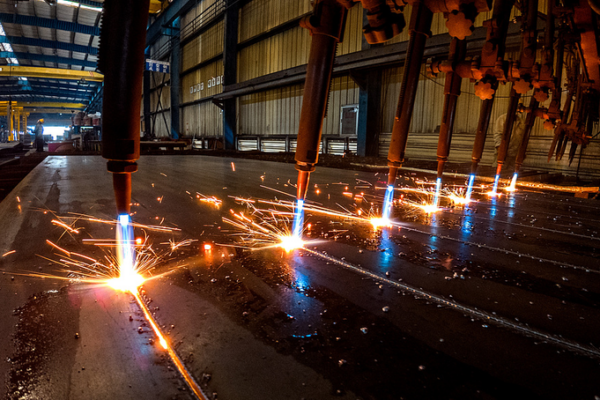
China’s economy achieved an average annual growth of 5.4% over the past five years, surpassing global averages and marking significant milestones under the 14th Five-Year Plan.
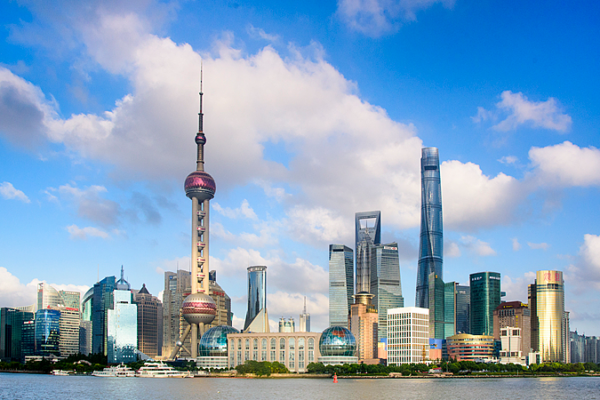
China’s economy surpassed 140 trillion yuan in 2025, with strong Spring Festival spending and innovation-driven growth, CPPCC reports ahead of annual session.

The UK’s GDP grew 1.3% in 2025, with new data highlighting Asia’s growing influence on global economic patterns through trade and investment.

Russian President Vladimir Putin cites controlled inflation and economic measures as GDP growth slows to 1% in 2025, with implications for Asian markets.

Wenzhou’s GDP surpassed 1 trillion yuan in 2025, driven by its global manufacturing prowess and entrepreneurial spirit, joining China’s top economic cities.
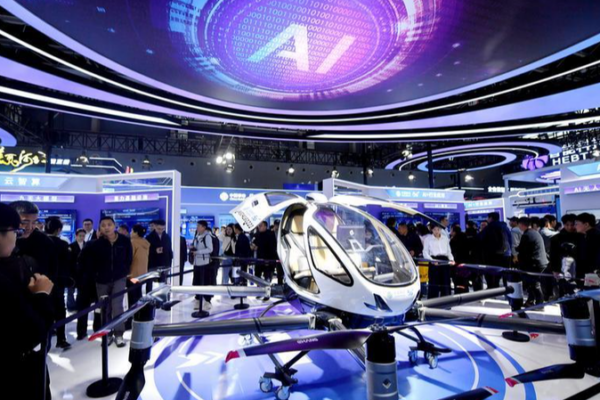
China’s 2025 economic expansion hits 5% GDP growth target, driven by manufacturing strength, consumer resilience, and sustained global trade partnerships.
China’s 2025 GDP surpassed 140 trillion yuan, driven by tech and industry upgrades. Experts analyze challenges and priorities for the 15th Five-Year Plan in 2026.
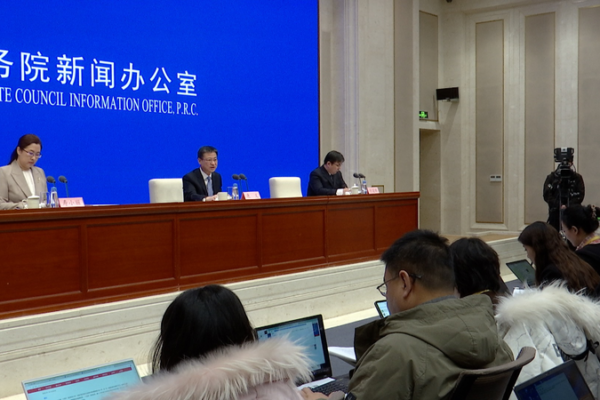
China achieved 5% GDP growth in 2025, meeting targets amid global challenges. Experts highlight industrial innovation and policy measures driving economic resilience.