Burundi has proactively launched a series of critical preventive health measures to safeguard its population following the confirmation of an Ebola outbreak in the eastern region of the Democratic Republic of the Congo (DR Congo). The decision comes as authorities express heightened concern over cross-border mobility and the potential for regional transmission.
Heightened Risk Factors
In a statement released recently, Burundi's Public Health Minister Fidele Nkezabahizi highlighted the geographical vulnerability of the region. With affected zones in the DR Congo located less than 400 kilometers away, the risk of exposure is significant, particularly along key transit routes such as the Bujumbura-Goma corridor.
"The situation is particularly concerning for the region because affected zones are located at less than 400 km, with regular flows of mobility between both countries," Nkezabahizi stated, noting that previous regional outbreaks have underscored the necessity for robust preparedness.
Strategic Response Measures
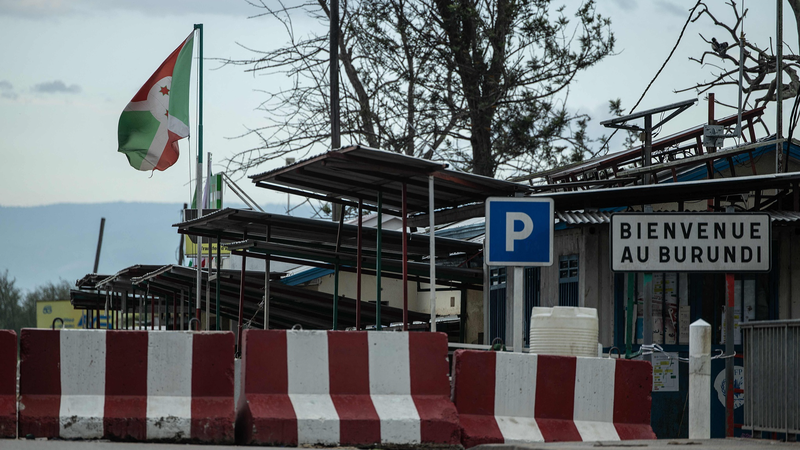
To mitigate the risk, the Burundian government is intensifying health surveillance at all border entry points. Key actions include:
- Implementation of enhanced screening procedures and temperature checks.
- Deployment of temporary health monitoring structures at critical transit sites.
- Comprehensive training for health workers to ensure rapid identification of cases.
- Distribution of rapid detection kits to bolster immediate response capabilities.
International Cooperation and Public Safety
Burundi is working in close coordination with the World Health Organization (WHO) and other international partners to strengthen laboratory capacity and epidemiological surveillance. Furthermore, communication channels with Congolese health authorities are being reinforced to ensure a unified front against the virus.
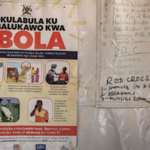
Public health officials have also issued urgent guidelines for the general population. Residents are urged to maintain strict hygiene standards, avoid consuming meat from animals found dead under unknown circumstances, and immediately seek medical attention if they experience symptoms such as fever, vomiting, muscle pain, or hemorrhagic diarrhoea.
Reference(s):
cgtn.com