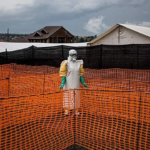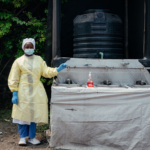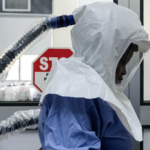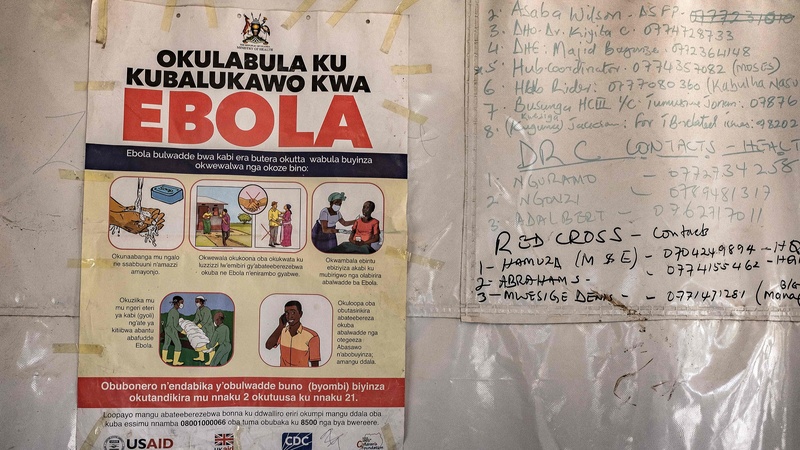
The Democratic Republic of the Congo (DRC) is rapidly intensifying its medical response to a fast-evolving Ebola outbreak in the eastern province of Ituri. In a bid to contain the spread, health authorities have announced the opening of three new dedicated treatment centers.
A High-Stakes Health Emergency
The current crisis is particularly challenging because it involves the Bundibugyo strain of the virus. Unlike more common variants, this rare strain currently has no approved vaccines or specific treatments, leaving health workers and patients reliant on supportive care and strict isolation protocols.
The urgency of the situation was underscored on May 17, when the World Health Organization (WHO) declared the outbreak a Public Health Emergency of International Concern (PHEIC). The WHO cited critical concerns regarding underreporting, the potential for cross-border transmission into neighboring Uganda, and the mounting pressure on already fragile local health systems.
Expanding Capacity in Ituri
During a recent visit to Bunia, the provincial capital, Congolese Health Minister Samuel Roger Kamba outlined the government's strategy to establish specialized Ebola treatment centers in the most affected areas of Ituri. These facilities are designed to bolster isolation capacities as existing hospitals struggle to manage the surge of suspected cases.
"We know that the hospitals are already under stress because of the patients," Minister Kamba stated. "But we are preparing to establish treatment centres at all three sites to expand our capabilities."
The Toll and Regional Risks
The human cost of the outbreak is already significant. As of Tuesday, authorities have confirmed 131 Ebola-related deaths and recorded at least 513 suspected infections. The situation has grown more alarming with reports of community deaths and infections among frontline health workers, including an American doctor operating in the region.
To manage the crisis, the WHO has deployed emergency supplies and expert teams to the DRC, while the Africa Centres for Disease Control and Prevention is coordinating regional surveillance. Despite facing insecurity and weak infrastructure in the eastern region, authorities are prioritizing contact tracing and infection prevention.
A Recurring Challenge
This marks the 17th Ebola outbreak in the DRC since 1976. While the country demonstrated resilience by successfully containing another outbreak in late 2025, the emergence of the Bundibugyo strain presents a new and complex set of hurdles for the nation's health infrastructure and the broader region.
Reference(s):
cgtn.com